Guide
TMJ Diet Guide: Foods That Help and Hurt Your Jaw
TMJ Diet Guide: Foods That Help and Hurt Your Jaw article.
If you have temporomandibular joint disorder (TMJ/TMD), what you eat matters as much as how you treat it. A proper TMJ diet focuses on soft, anti-inflammatory foods that minimize jaw strain while avoiding hard, chewy, and crunchy items that aggravate the joint. Strategic dietary changes can reduce flare-ups, ease chronic pain, and support long-term jaw healing alongside other therapies.
By Dr. Sarah Mitchell, Orofacial Pain Specialist | Last updated: March 2026
Table of Contents
- Why Diet Affects TMJ Pain
- The Soft Food Diet for TMJ Flares
- 7-Day TMJ-Friendly Meal Plan
- Foods That Trigger TMJ Pain
- Anti-Inflammatory Foods for TMJ Relief
- Supplements for TMJ: Magnesium, B12, and Omega-3
- TMJ Diet vs. Standard Soft Diet: Comparison
- Tips for Eating With TMJ Pain
- When to See a Specialist
- FAQ: TMJ Diet Questions
- Sources
Why Diet Affects TMJ Pain
The temporomandibular joint is one of the most frequently used joints in the human body. Every time you chew, talk, yawn, or swallow, the TMJ is engaged. When this joint is inflamed, displaced, or surrounded by tense musculature, the mechanical demands of eating can either accelerate recovery or worsen the condition dramatically.
Diet affects TMJ disorder through three primary mechanisms:
-
Mechanical stress on the joint. Hard, chewy, or large-bite foods force the jaw to exert greater force and travel through a wider range of motion. For an already irritated joint, this is the equivalent of running on a sprained ankle.
-
Systemic inflammation. Certain foods promote inflammatory cascades throughout the body. Since TMJ disorder often has a significant inflammatory component — particularly in cases involving disc displacement or arthritis of the joint — a pro-inflammatory diet can keep pain levels elevated even when mechanical triggers are minimized.
-
Nutrient support for healing. The TMJ contains cartilage, synovial fluid, ligaments, and surrounding musculature that all require specific nutrients for repair. Deficiencies in magnesium, B vitamins, and omega-3 fatty acids have been linked to increased muscle tension, nerve sensitivity, and slower tissue recovery.
Understanding these mechanisms is the foundation of building a TMJ diet that actually works. It is not simply about eating soft foods — though that is a critical starting point — but about creating a comprehensive nutritional strategy that addresses pain from multiple angles.
If you are also exploring non-dietary treatments, our guide on TMJ treatment at home covers complementary strategies including heat therapy, jaw exercises, and stress management techniques that pair well with dietary modifications.
The Soft Food Diet for TMJ Flares
During an active TMJ flare — when pain is at its worst, clicking or locking is frequent, and opening the mouth is limited — switching to a strict soft food diet is the single most impactful immediate intervention you can make. The goal is to rest the joint as much as possible, similar to how you would immobilize any other injured joint.

What Qualifies as "Soft" for TMJ?
A food is considered TMJ-safe during a flare if it meets all three criteria:
- Minimal chewing required. The food can be broken down with the tongue against the palate or with very gentle jaw movement.
- Small bite size. No need to open the mouth widely to take a bite.
- No resistance. The food does not fight back — it yields easily under light pressure.
Recommended Soft Foods During a TMJ Flare
Proteins:
- Scrambled eggs or egg custard
- Soft-flaked fish (salmon, tilapia, cod)
- Tender slow-cooked chicken (shredded, not grilled)
- Tofu (silken or soft varieties)
- Smooth hummus
- Greek yogurt
- Protein smoothies with whey or plant-based protein powder
Grains and Starches:
- Oatmeal or cream of wheat
- Mashed potatoes or sweet potatoes
- Soft-cooked pasta (slightly overcooked)
- Polenta
- Soft white rice
- Pancakes (small, thin, well-soaked in syrup)
Fruits and Vegetables:
- Ripe bananas
- Applesauce
- Steamed vegetables mashed with a fork (carrots, squash, peas)
- Avocado
- Smoothie bowls with blended fruit
- Canned peaches or pears in juice
Soups and Liquids:
- Pureed soups (butternut squash, tomato bisque, potato leek)
- Bone broth
- Smoothies and meal-replacement shakes
- Warm (not hot) herbal teas
A high-quality blender makes the soft food diet far more sustainable. Many TMJ patients find that investing in a reliable blender opens up significantly more meal options during flare periods.
Shop TMJ-Friendly Blenders on Amazon
7-Day TMJ-Friendly Meal Plan

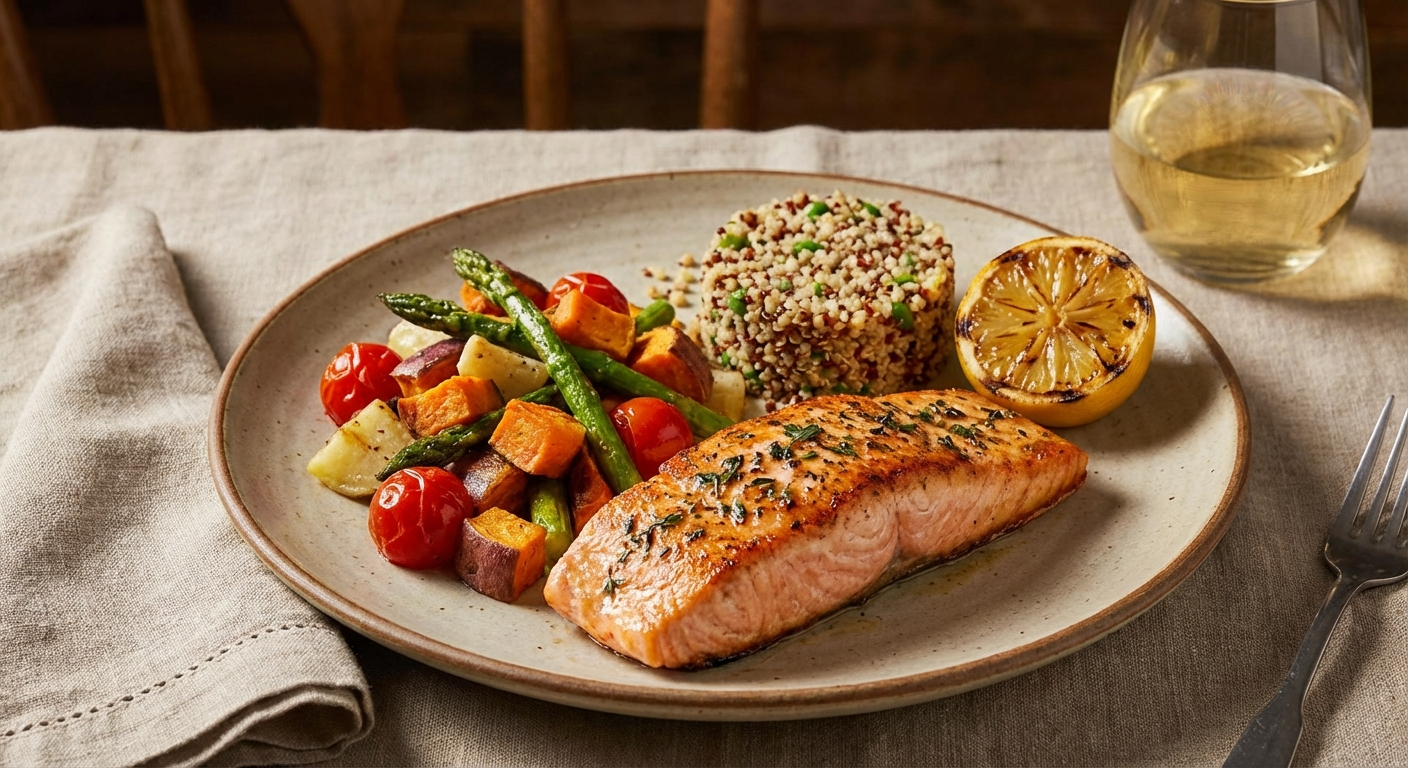
This meal plan is designed for active flare periods or for anyone transitioning to a TMJ-supportive diet. Each day provides approximately 1,800-2,200 calories with balanced macronutrients. Adjust portions based on your individual needs.
Day 1
- Breakfast: Overnight oats with mashed banana and almond butter
- Lunch: Creamy tomato bisque with soft bread (crust removed, dipped until soft)
- Dinner: Slow-cooker shredded chicken with mashed sweet potatoes and steamed broccoli (cooked until very tender)
- Snack: Greek yogurt with honey
Day 2
- Breakfast: Scrambled eggs with soft avocado and a smoothie
- Lunch: Butternut squash soup with soft polenta
- Dinner: Baked salmon (flaked) with mashed potatoes and pureed peas
- Snack: Applesauce with a drizzle of cinnamon
Day 3
- Breakfast: Cream of wheat with maple syrup and sliced soft banana
- Lunch: Egg salad (finely mashed) on soft bread without crust
- Dinner: Soft tofu stir-fry with overcooked rice noodles and steamed bok choy
- Snack: Protein smoothie with spinach, berries, and protein powder
Day 4
- Breakfast: Protein pancakes (thin, soft) with mashed berries
- Lunch: Potato leek soup with a side of hummus and soft pita (torn into small pieces)
- Dinner: Tender pot roast (shredded) with soft-cooked carrots and mashed potatoes
- Snack: Cottage cheese with canned peaches
Day 5
- Breakfast: Green smoothie bowl (spinach, banana, protein powder, almond milk) topped with soft granola soaked in milk
- Lunch: Lentil soup (well-cooked until lentils are very soft)
- Dinner: Cod poached in broth with couscous and steamed zucchini
- Snack: Ripe mango slices
Day 6
- Breakfast: Soft-boiled eggs with avocado toast on crustless soft bread
- Lunch: Chicken and rice soup (rice overcooked, chicken shredded fine)
- Dinner: Pasta with marinara sauce (pasta cooked al dente plus 3 extra minutes) and ground turkey
- Snack: Banana nice cream (frozen banana blended smooth)
Day 7
- Breakfast: Oatmeal with peanut butter stirred in and mashed strawberries
- Lunch: Black bean soup (pureed) with soft corn tortilla strips
- Dinner: Baked tilapia with risotto and pureed butternut squash
- Snack: Warm milk with turmeric and honey (golden milk)
Foods That Trigger TMJ Pain
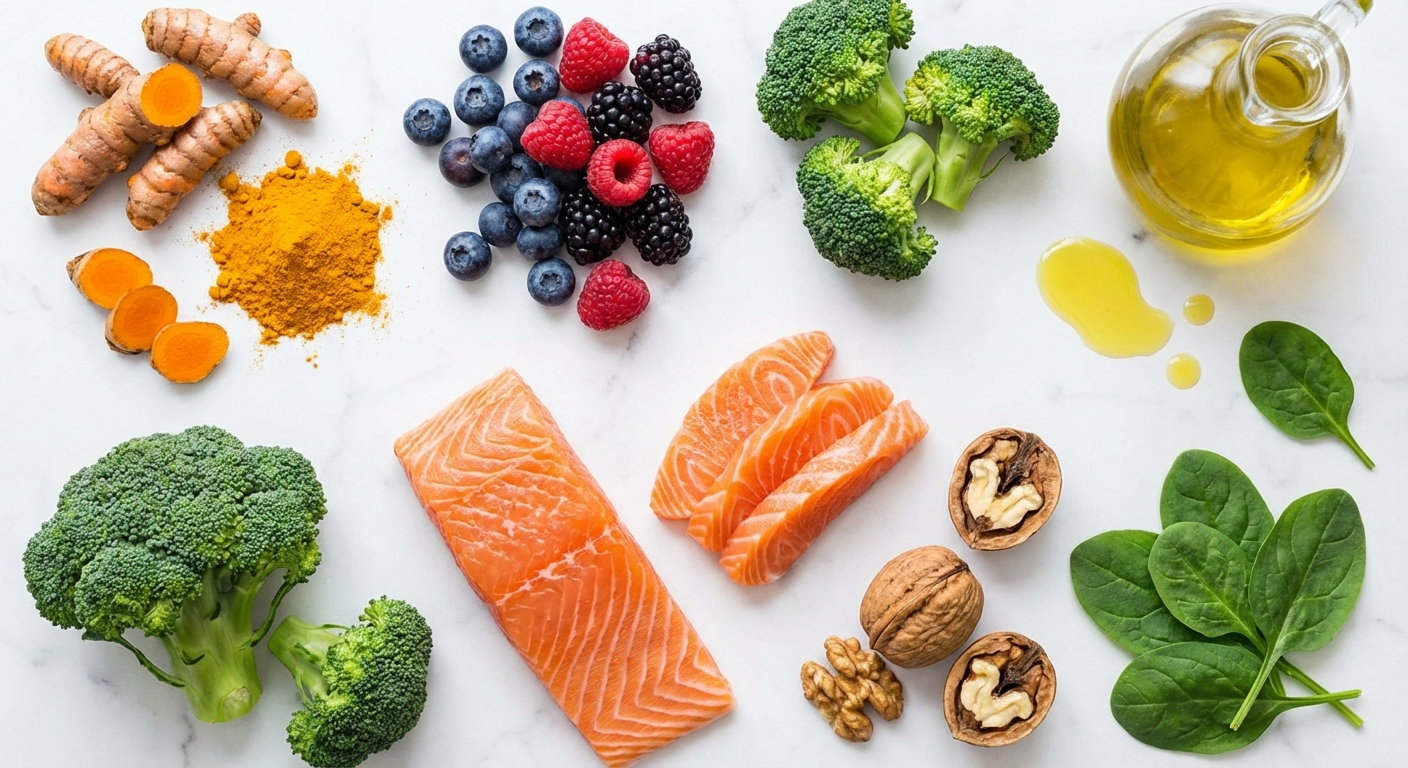
Equally important to knowing what to eat is understanding which foods will almost certainly make your TMJ symptoms worse. These trigger foods aggravate the joint through excessive mechanical force, jaw fatigue, wide mouth opening, or inflammatory effects.
The Worst Foods for TMJ
| Food Category | Specific Examples | Why It Hurts |
|---|---|---|
| Chewing gum | All types, including sugar-free | Repetitive motion fatigues jaw muscles and overloads the joint for extended periods |
| Hard nuts and seeds | Almonds, cashews, peanuts (whole), sunflower seeds in shell | Require significant bite force that stresses the TMJ disc |
| Chewy meats | Steak, beef jerky, pork chops, grilled chicken breast | Prolonged chewing cycles strain the lateral pterygoid and masseter muscles |
| Hard breads | Bagels, baguettes, hard rolls, pizza crust | Require forceful biting and prolonged chewing |
| Crunchy raw vegetables | Raw carrots, celery, apples (uncooked) | Hard texture demands lateral jaw movement and bite force |
| Hard candy and ice | Jawbreakers, lollipops, ice cubes | Direct impact stress on teeth transmits force to the TMJ |
| Large sandwiches or burgers | Stacked deli sandwiches, tall burgers | Force the mouth to open excessively wide, straining the joint capsule |
| Chewy candy | Taffy, caramels, gummy bears, licorice | Sticky resistance creates uneven, prolonged force on the joint |
The Gum Problem
Chewing gum deserves special attention because it is one of the most common and most damaging habits for TMJ patients. A 2014 study published in Pediatric Neurology found that adolescents who chewed gum frequently had a significantly higher rate of headaches associated with TMJ dysfunction. When the gum-chewing habit was eliminated, 87% of participants experienced improvement.
The problem with gum is not just the mechanical stress — it is the duration and repetitiveness. While chewing food involves short bursts of jaw activity, gum chewing can last 30 minutes to several hours. This is the equivalent of doing hundreds of bicep curls without rest. The masseter and temporalis muscles fatigue, spasm, and refer pain throughout the face and head.
If you habitually chew gum, understanding the connection between jaw clenching and TMJ is critical. Our article on TMJ vs. bruxism explains how repetitive jaw activity — whether from gum chewing or nighttime grinding — damages the joint over time.
Pro-Inflammatory Foods to Limit
Beyond mechanical triggers, certain foods promote systemic inflammation that can intensify TMJ pain:
- Refined sugars and high-fructose corn syrup — Spike inflammatory markers including C-reactive protein (CRP) and interleukin-6 (IL-6).
- Trans fats and heavily processed oils — Found in fried foods, margarine, and many packaged snacks. These fats promote the production of pro-inflammatory cytokines.
- Excessive alcohol — Increases systemic inflammation and can cause dehydration, which reduces synovial fluid production in the joint.
- High-sodium processed foods — Contribute to fluid retention and can increase tissue swelling around the joint.
- Excessive caffeine — While moderate coffee intake is generally acceptable, high caffeine consumption can increase muscle tension and interfere with sleep quality, both of which worsen TMJ symptoms.
Anti-Inflammatory Foods for TMJ Relief
Building your TMJ diet around anti-inflammatory foods addresses the condition from the inside out. While soft texture minimizes mechanical stress, anti-inflammatory nutrition reduces the biochemical drivers of pain and swelling in the joint.
Top Anti-Inflammatory Foods for TMJ
Fatty fish (salmon, mackerel, sardines): Rich in EPA and DHA omega-3 fatty acids, which directly inhibit the production of prostaglandins and leukotrienes — two key inflammatory mediators. Aim for two to three servings per week. The soft, flaky texture of baked fish makes it doubly beneficial for TMJ patients.
Berries (blueberries, strawberries, cherries): High in anthocyanins, powerful antioxidants that have been shown to reduce levels of NF-kB, a master regulator of inflammatory gene expression. Tart cherries specifically have been studied for their pain-reducing properties.
Leafy greens (spinach, kale, Swiss chard): Excellent sources of vitamin K, folate, and various polyphenols with anti-inflammatory properties. For TMJ patients, cook these until very tender or blend them into smoothies.
Turmeric and ginger: Curcumin (the active compound in turmeric) and gingerols (in ginger) both inhibit COX-2 and LOX enzymes involved in the inflammatory cascade. Golden milk (warm milk with turmeric, ginger, black pepper, and honey) is an excellent TMJ-friendly way to consume these spices.
Extra virgin olive oil: Contains oleocanthal, a compound with anti-inflammatory properties comparable to low-dose ibuprofen. Use it as a cooking oil and salad dressing base.
Avocados: Packed with monounsaturated fats, potassium, magnesium, and fiber. Their anti-inflammatory profile combined with their naturally soft texture makes them an ideal TMJ food.
Bone broth: Rich in collagen, glycine, proline, and glucosamine — all nutrients that support joint cartilage repair and reduce inflammation. Sipping warm bone broth also gently mobilizes the jaw without mechanical stress.
Supplements for TMJ: Magnesium, B12, and Omega-3

While a well-structured TMJ diet provides a strong nutritional foundation, certain supplements can offer targeted support for jaw pain, muscle tension, and joint repair. The following three supplements have the most clinical evidence supporting their use in TMJ management.
Magnesium
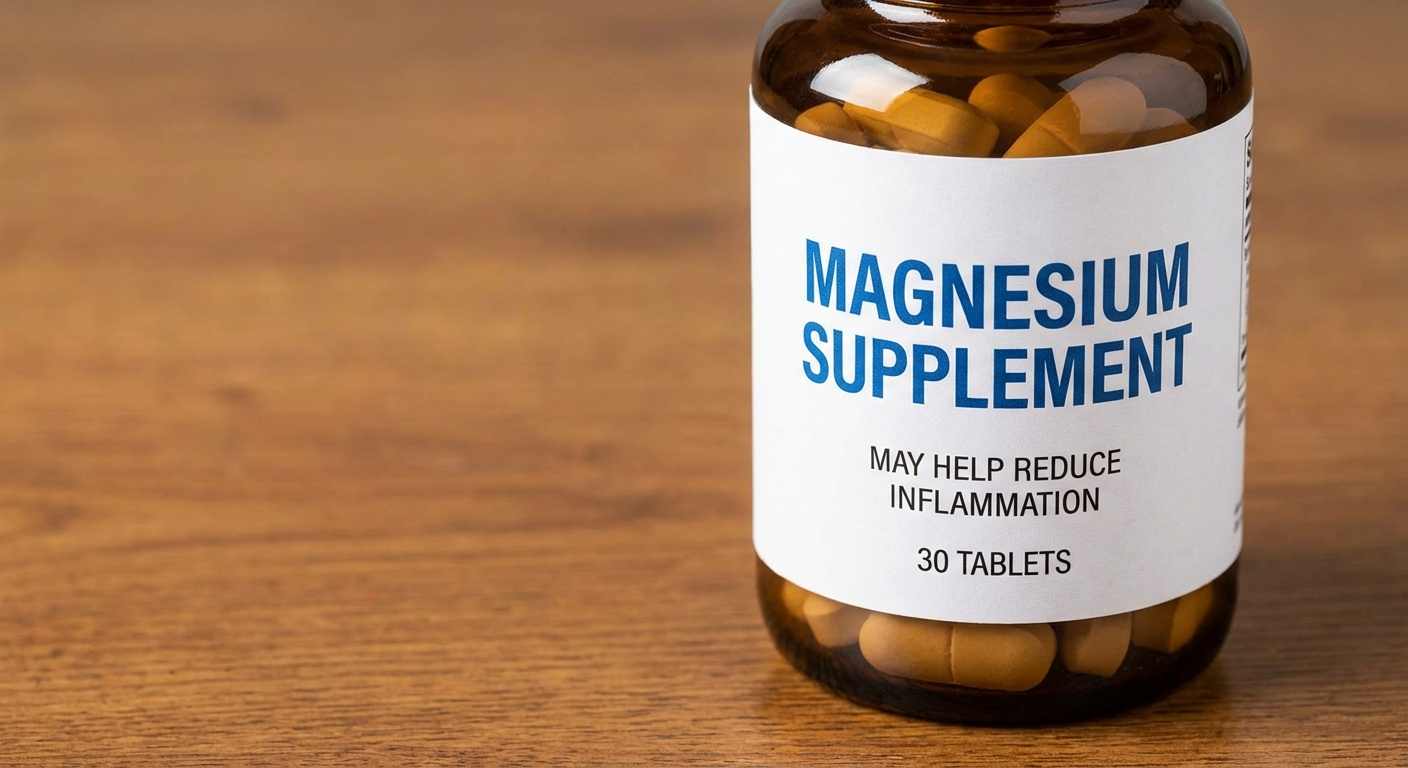
Magnesium is arguably the most important supplement for TMJ patients. This mineral plays a critical role in muscle relaxation, nerve function, and the regulation of calcium channels. Magnesium deficiency is remarkably common — estimates suggest that up to 50% of Americans do not meet the recommended daily intake — and it directly contributes to muscle cramping, tension, and spasm.
For TMJ patients specifically, magnesium helps in several ways:
- Muscle relaxation: Magnesium acts as a natural calcium channel blocker in muscle cells. Without adequate magnesium, muscles (including the masseter, temporalis, and pterygoid muscles around the jaw) remain in a contracted state for longer periods.
- Nerve calming: Magnesium modulates NMDA receptors involved in pain signaling, potentially reducing the sensitivity of pain pathways.
- Sleep improvement: Many TMJ patients grind their teeth at night (bruxism). Magnesium glycinate, in particular, has been shown to improve sleep quality, which may reduce nocturnal clenching.
Recommended forms: Magnesium glycinate (best absorbed, least likely to cause GI upset), magnesium threonate (may cross the blood-brain barrier more effectively), or magnesium citrate.
Typical dosage: 200-400 mg elemental magnesium daily, taken in the evening. Start with a lower dose and increase gradually.
Shop Magnesium Glycinate for TMJ Relief on Amazon
Vitamin B12
Vitamin B12 (cobalamin) is essential for nerve health and myelin sheath maintenance. Deficiency in B12 has been associated with neuropathic pain conditions, and some research suggests a connection between low B12 levels and increased orofacial pain sensitivity.
A 2020 study published in the Journal of Oral Rehabilitation found that patients with TMJ disorder had significantly lower serum B12 levels compared to controls. While correlation does not prove causation, ensuring adequate B12 status is a low-risk intervention with potential benefit.
Recommended forms: Methylcobalamin (the active, bioavailable form) is preferred over cyanocobalamin.
Typical dosage: 1,000-2,500 mcg daily, sublingual form for best absorption.
Omega-3 Fatty Acids
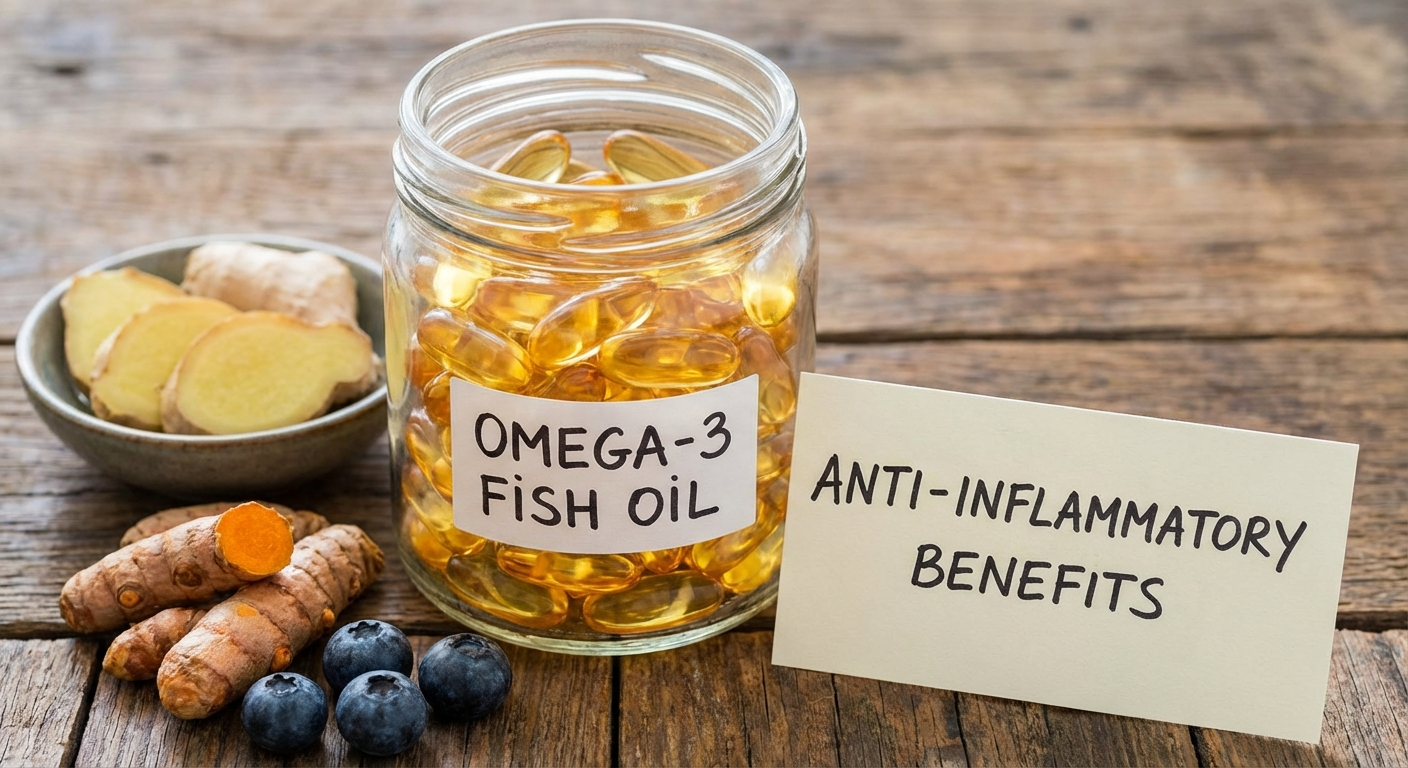
If you are not regularly eating fatty fish, an omega-3 supplement is strongly recommended. The EPA and DHA in fish oil have robust anti-inflammatory properties that have been demonstrated in numerous clinical trials across joint pain conditions.
For TMJ specifically, omega-3 supplementation may:
- Reduce inflammatory cytokines in the synovial fluid of the TMJ
- Decrease pain perception through modulation of prostaglandin synthesis
- Support cartilage health and slow degenerative changes in the joint
Recommended forms: Triglyceride-form fish oil or algae-based DHA/EPA for vegetarians.
Typical dosage: Combined EPA + DHA of 2,000-3,000 mg daily, taken with a fat-containing meal for absorption.
Shop Omega-3 Fish Oil Supplements on Amazon
Important: Always consult with your healthcare provider before starting any supplement regimen, especially if you are taking blood thinners, other medications, or are pregnant or breastfeeding.
If you clench or grind at night and are considering a mouth guard alongside dietary changes, our guide on the best mouth guards for TMJ covers the top options, including custom-fit and boil-and-bite varieties.
TMJ Diet vs. Standard Soft Diet: Comparison
Many patients are told to "eat soft foods" without much additional guidance. A TMJ-specific diet goes further than a standard post-surgical or dental soft diet. Here is how they compare:
| Feature | Standard Soft Diet | TMJ-Specific Diet |
|---|---|---|
| Texture focus | Soft foods to protect teeth or surgical sites | Soft foods to minimize jaw joint stress and muscle fatigue |
| Anti-inflammatory focus | Not typically included | Central component — reduces systemic inflammation driving pain |
| Supplement guidance | Not typically included | Magnesium, B12, omega-3 targeted for muscle and nerve support |
| Avoidance of wide-opening foods | Sometimes mentioned | Strictly emphasized — no tall burgers, large sandwiches, or wide-bite fruits |
| Duration | Usually short-term (days to weeks) | Can be long-term lifestyle shift with gradual reintroduction |
| Gum restriction | Not typically addressed | Absolute restriction — gum is eliminated entirely |
| Meal timing | Standard | Smaller, more frequent meals to reduce jaw fatigue per session |
| Temperature consideration | May avoid hot foods post-surgery | Warm foods preferred — heat relaxes muscles; very cold can trigger spasm |
| Hydration emphasis | General | Specific — adequate hydration supports synovial fluid production |
| Caffeine and alcohol | Not typically restricted | Limited — both can increase muscle tension and inflammation |
Tips for Eating With TMJ Pain
Beyond food selection, how you eat is almost as important as what you eat. These practical strategies can significantly reduce jaw strain during meals:
-
Cut food into small pieces. Even soft foods should be cut small enough that you do not need to open your mouth widely to eat them.
-
Chew on both sides equally. Many TMJ patients unconsciously favor one side. Alternating sides distributes the workload more evenly across both joints.
-
Take smaller bites and chew slowly. Rushing through meals increases force and fatigue. Slow, deliberate chewing with minimal force is the goal.
-
Avoid opening your mouth wider than the width of two fingers. This is a reliable rule of thumb to prevent overextension of the joint capsule.
-
Apply warm compresses before meals. Five minutes of moist heat on the jaw before eating relaxes the muscles and increases blood flow, making chewing easier and less painful.
-
Eat smaller, more frequent meals. Instead of three large meals, aim for five to six smaller meals. This reduces the total chewing time per session and prevents the jaw muscles from fatiguing.
-
Stay well hydrated. The TMJ is a synovial joint, and adequate hydration supports the production of synovial fluid that lubricates the joint surfaces. Aim for at least eight glasses of water daily.
-
Do not eat while stressed. Stress increases jaw clenching during meals. Practice a brief relaxation technique (such as three deep breaths with the tongue resting on the palate) before eating.
When to See a Specialist
While dietary modifications are powerful, they are one component of a comprehensive TMJ management plan. You should consult an orofacial pain specialist, TMJ-focused dentist, or oral and maxillofacial surgeon if:
- Your jaw locks open or closed
- Pain persists for more than two weeks despite dietary changes and home care
- You experience numbness or tingling in your face, tongue, or lips
- You have difficulty swallowing or breathing
- Your bite suddenly changes or feels "off"
- You hear a grinding (crepitus) sound in the joint that is new or worsening
- Pain is affecting your ability to maintain adequate nutrition
A specialist can evaluate whether imaging (MRI or CT) is needed, whether a custom oral appliance would benefit you, and whether additional interventions such as physical therapy, trigger point injections, or Botox for the masseters should be considered.
FAQ: TMJ Diet Questions
What is the best diet for TMJ disorder? The best diet for TMJ disorder combines soft-textured foods that minimize mechanical jaw strain with anti-inflammatory foods like fatty fish, berries, leafy greens, and turmeric. Avoiding hard, chewy, and crunchy foods — especially chewing gum, nuts, bagels, and jerky — is equally important. Supplementing with magnesium, omega-3 fatty acids, and vitamin B12 can provide additional support for muscle relaxation and nerve health.
Can certain foods make TMJ worse? Yes. Hard, crunchy, and chewy foods force the jaw to exert excessive force and undergo repetitive strain, directly aggravating an inflamed or displaced TMJ disc. Chewing gum is one of the worst offenders because of the prolonged, repetitive jaw motion it requires. Pro-inflammatory foods like refined sugars, trans fats, and processed foods can also intensify TMJ pain by promoting systemic inflammation.
How long should I stay on a soft food diet for TMJ? During an acute TMJ flare, a strict soft food diet should be followed for at least two to four weeks to allow the joint and surrounding muscles to rest and begin healing. After the acute phase resolves, gradually reintroduce firmer foods one at a time, monitoring for symptom recurrence. Some patients benefit from maintaining a predominantly soft diet long-term, especially if their TMJ disorder is chronic or degenerative.
Does magnesium help with TMJ pain? Magnesium can be very helpful for TMJ pain, particularly when muscle tension and clenching are contributing factors. Magnesium promotes muscle relaxation by acting as a natural calcium channel blocker and calms nerve excitability that contributes to pain signaling. Magnesium glycinate is the preferred form for TMJ patients because it is well absorbed and less likely to cause digestive side effects compared to other forms.
Is chewing gum bad for TMJ? Chewing gum is one of the worst habits for TMJ patients and should be eliminated entirely. The repetitive, prolonged jaw movement fatigues the masseter and temporalis muscles, overloads the TMJ disc, and can trigger or worsen clicking, popping, locking, and pain. Research has demonstrated that eliminating gum chewing alone can lead to significant symptom improvement in the majority of TMJ patients.
Can an anti-inflammatory diet cure TMJ? An anti-inflammatory diet alone is unlikely to cure TMJ disorder, but it can significantly reduce pain and inflammation, slow degenerative changes, and support healing when combined with other treatments. TMJ disorder is multifactorial, often involving structural, muscular, neurological, and psychological components. Diet is best viewed as one essential pillar of a comprehensive management strategy that may also include oral appliances, physical therapy, stress management, and in some cases, medical or surgical intervention.
What supplements should I take for TMJ? The three most evidence-supported supplements for TMJ are magnesium glycinate (200-400 mg daily for muscle relaxation), omega-3 fatty acids (2,000-3,000 mg combined EPA/DHA daily for inflammation reduction), and vitamin B12 as methylcobalamin (1,000-2,500 mcg daily for nerve health). Vitamin D and glucosamine may also provide benefit, particularly for patients with degenerative changes in the joint. Always consult your healthcare provider before starting supplements.
Sources
-
Wieckiewicz, M., et al. "Reported concepts for the treatment modalities and pain management of temporomandibular disorders." The Journal of Headache and Pain, vol. 16, no. 1, 2015, pp. 106.
-
Watemberg, N., et al. "The influence of excessive chewing gum use on headache frequency and severity among adolescents." Pediatric Neurology, vol. 50, no. 1, 2014, pp. 69-72.
-
Ferrillo, M., et al. "Efficacy of nutraceuticals and dietary supplements in the management of temporomandibular disorders: A systematic review." Journal of Oral Rehabilitation, vol. 49, no. 10, 2022, pp. 1020-1032.
-
Cairns, B.E. "Pathophysiology of TMD pain — basic mechanisms and their implications for pharmacotherapy." Journal of Oral Rehabilitation, vol. 37, no. 6, 2010, pp. 391-410.
-
DiNicolantonio, J.J., O'Keefe, J.H., and Wilson, W. "Subclinical magnesium deficiency: a principal driver of cardiovascular disease and a public health crisis." Open Heart, vol. 5, no. 1, 2018, e000668.
-
Calder, P.C. "Omega-3 fatty acids and inflammatory processes: from molecules to man." Biochemical Society Transactions, vol. 45, no. 5, 2017, pp. 1105-1115.
-
National Institute of Dental and Craniofacial Research. "TMJ (Temporomandibular Joint and Muscle Disorders)." National Institutes of Health, 2023.
-
Melse-Boonstra, A. "Bioavailability of micronutrients from nutrient-dense whole foods." Frontiers in Nutrition, vol. 7, 2020, p. 101.