Guide
Best Night Guards for Jaw Clenching (2026)
By Dr. Rachel Simmons, DDS Contributor · Updated 2026-03-20
If you clench your jaw at night, a quality night guard is the single most effective way to protect your teeth, reduce morning jaw pain, and prevent long-term TMJ damage. We reviewed dozens of options across custom, direct-to-consumer, and over-the-counter categories to find the best night guards for jaw clenching in 2026.
By Dr. Rachel Simmons, DDS Contributor | Last updated: March 2026
Table of Contents
- Why You Need a Night Guard for Jaw Clenching
- Types of Night Guards Explained
- How We Evaluated Night Guards
- Best Night Guards for Jaw Clenching — Our Top Picks
- Best Night Guard Comparison Chart
- How to Choose the Right Night Guard
- Night Guard Care and Maintenance
- When to See a Dentist Instead
- Frequently Asked Questions
- Sources and Methodology
Why You Need a Night Guard for Jaw Clenching {#why-you-need-a-night-guard}
Jaw clenching — clinically known as bruxism — affects an estimated 10 to 15 percent of adults, according to the American Dental Association. Many people don't even realize they clench until they notice cracked teeth, chronic headaches, or a sore jaw that won't quit.
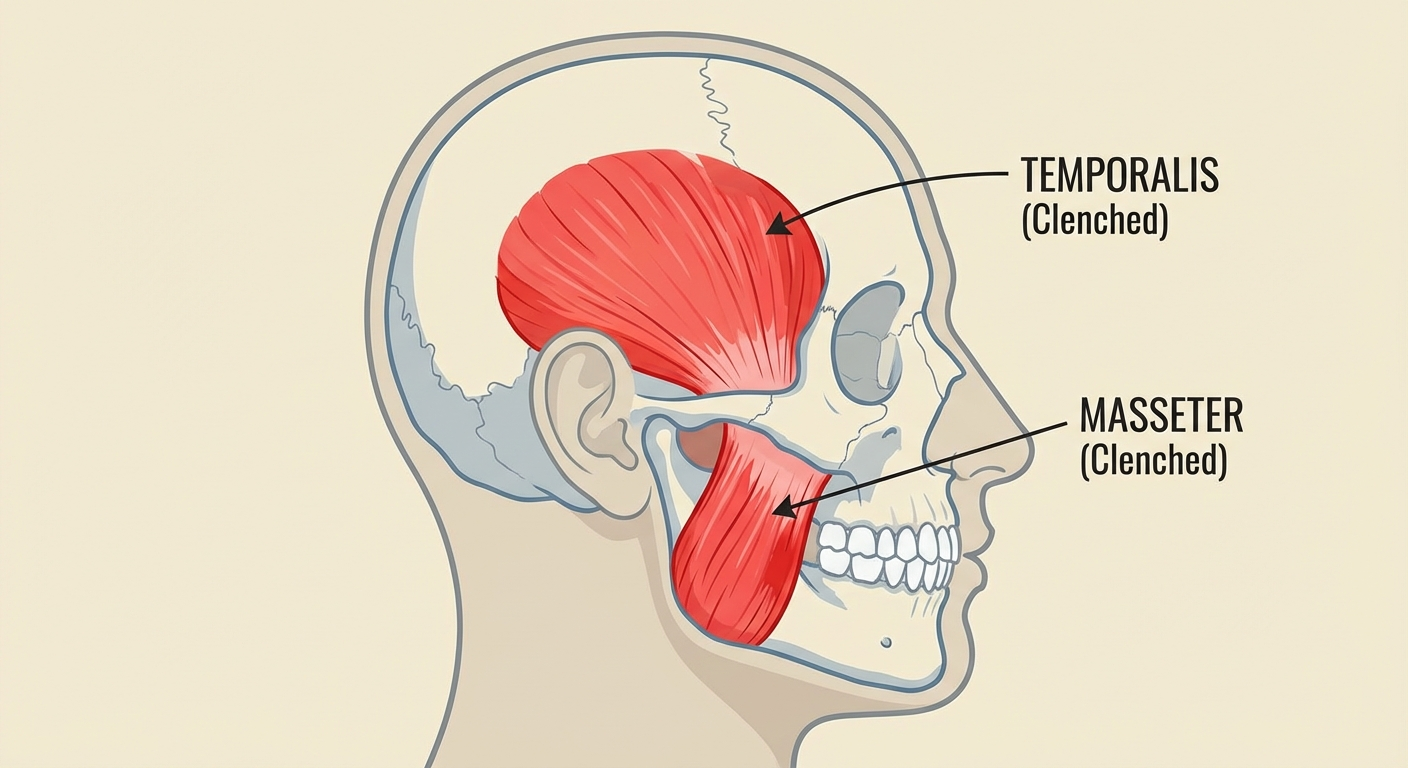
The forces generated during nocturnal bruxism can exceed 250 pounds per square inch. That's enough to fracture dental crowns, wear down enamel, and place enormous stress on the temporomandibular joint (TMJ). Over time, unchecked clenching can lead to TMJ disorders that cause chronic pain and limited jaw mobility.
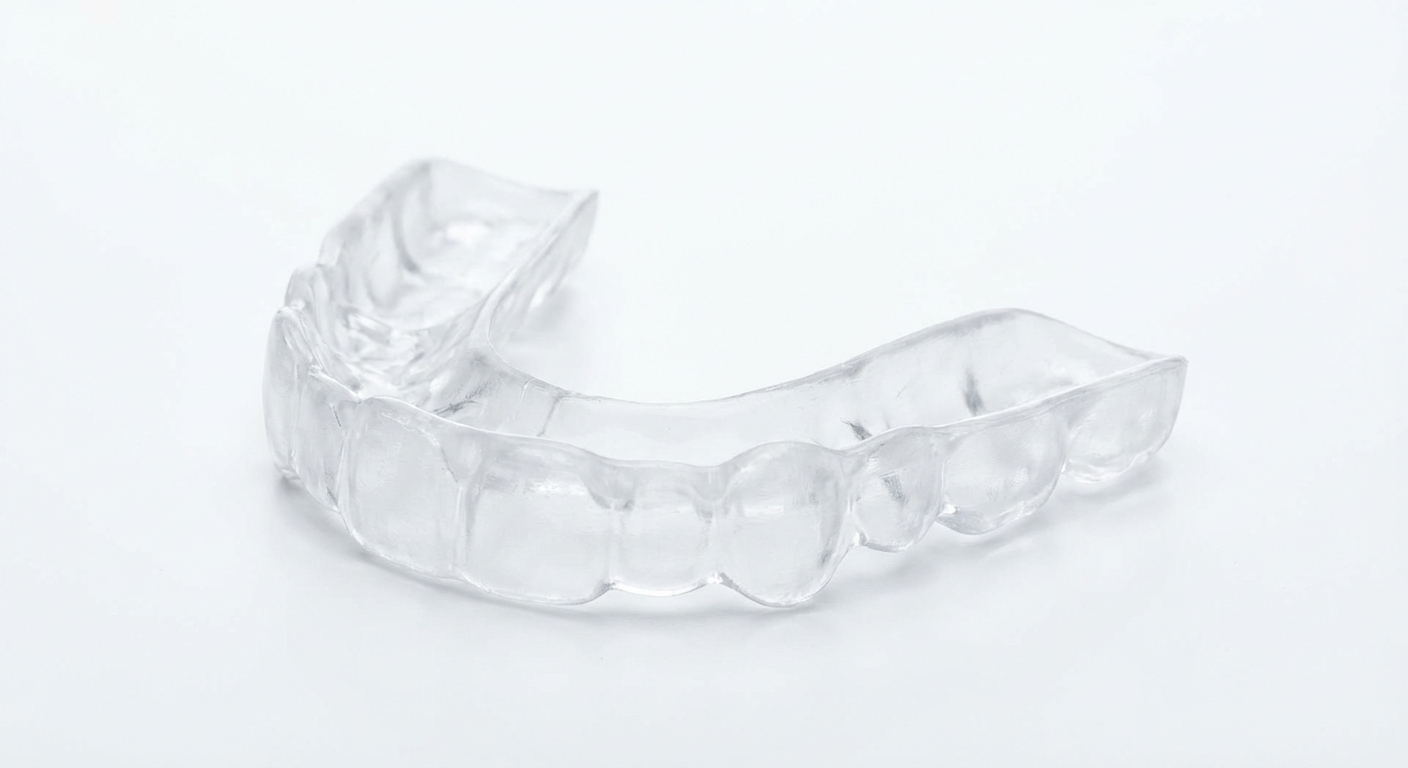
A night guard works by creating a physical barrier between your upper and lower teeth. This barrier absorbs and distributes clenching forces, reducing the load on your teeth, jaw muscles, and TMJ. While it won't cure bruxism itself, it's the most reliable way to prevent damage while you work on root causes like stress, sleep disorders, or medication side effects.
The good news: you no longer need to spend $500 to $800 at the dentist for a quality custom guard. Direct-to-consumer brands now offer lab-made custom guards at a fraction of the price. But with dozens of options available, choosing the right one matters.
Types of Night Guards Explained {#types-of-night-guards}
Understanding the three main categories of night guards will help you narrow down the right choice before you start comparing brands.
Over-the-Counter (Boil-and-Bite)
These are the guards you'll find at any pharmacy. You soften them in hot water, bite down to create a rough impression, and they're ready to use. They typically cost between $15 and $40.
Best for: Occasional, mild clenchers who want to test whether a night guard helps before investing more.
Drawbacks: Bulky fit, shorter lifespan (3 to 6 months), and they can shift teeth if the fit isn't precise. Not recommended for moderate to severe bruxism.
Direct-to-Consumer Custom
These brands ship you an impression kit, you take dental impressions at home, and a dental lab fabricates a custom guard from your molds. Prices range from $100 to $250.
Best for: Most people with regular jaw clenching. You get a genuinely custom fit at a significant discount compared to dental office guards.
Drawbacks: The impression process requires some care to get right. Returns and remakes vary by brand.
Professional (Dentist-Made)
Your dentist takes a digital or physical impression and has a guard fabricated at a professional dental lab. These cost $300 to $800, sometimes more.
Best for: Severe bruxism, complex dental work, TMJ patients under active treatment, or anyone who wants the highest precision fit with in-person adjustments.
Drawbacks: Cost. Many dental insurance plans cover only a portion, and some don't cover night guards at all.
How We Evaluated Night Guards {#how-we-evaluated}
We assessed each night guard across five categories that matter most for jaw clenchers:
- Fit and comfort — Does it stay in place without feeling bulky? Can you sleep normally?
- Clenching protection — Is the material thick and durable enough to absorb heavy clenching forces?
- Durability — How long does it last under regular use?
- Value for money — Does the quality justify the price compared to alternatives?
- Customer experience — Impression process, shipping speed, return policy, and remake guarantees.
We also consulted published dental research on bruxism management and cross-referenced user reviews across multiple platforms to identify consistent strengths and complaints.
Best Night Guards for Jaw Clenching — Our Top Picks {#top-picks}
After extensive evaluation, these are the night guards we recommend for jaw clenchers in 2026.

🏆 Best Overall: Pro Teeth Guard Custom Night Guard
Type: Direct-to-consumer custom
Material: Hard acrylic (heavy clenchers) or dual-laminate (moderate)
Thickness: 2mm–3mm
Price: $160–$200
Pro Teeth Guard has been the gold standard in direct-to-consumer night guards for years, and the 2026 lineup continues to deliver. Guards are fabricated in a professional dental lab using the same materials your dentist would use. You choose between hard, soft, dual-laminate, and ultra-thin options based on your clenching severity.
Pros:
- Professional dental lab quality at 60–70% less than dentist prices
- Multiple material options for different clenching levels
- 110% money-back guarantee
- Free remakes if the fit isn't right
Cons:
- Impression kit requires careful technique
- Turnaround time is 2–3 weeks
🥈 Best Premium: Chomper Labs Custom Guard
Type: Direct-to-consumer custom
Material: Dual-laminate or hard acrylic
Thickness: 2mm–3mm
Price: $130–$170
Chomper Labs uses a professional dental lab and offers an impressively quick turnaround — most orders ship within 10 business days. Their dual-laminate guard (hard exterior, soft interior) is particularly well-suited for jaw clenchers because it absorbs force while maintaining structural rigidity.
Pros:
- Faster turnaround than most competitors
- Dual-laminate design excellent for clenchers
- Clear instructions with video guidance for impressions
- 100% satisfaction guarantee with free remakes
Cons:
- Slightly less material variety than Pro Teeth Guard
- Newer brand with smaller review base
🥉 Best Value: Dental Duty Professional Night Guard
Type: Direct-to-consumer custom
Material: Dual-laminate
Thickness: 2mm
Price: $90–$120
Dental Duty offers a genuinely custom night guard at a price point that undercuts most competitors. The impression kit is straightforward, and the resulting guard provides solid protection for moderate jaw clenchers. This is an excellent entry point if you're upgrading from a boil-and-bite.
Pros:
- Most affordable custom guard on the market
- Comfortable dual-laminate material
- Includes a protective case
- Good fit for moderate clenching
Cons:
- Not ideal for severe grinders — 2mm may be too thin
- Remake policy less generous than premium brands
- Slightly less precise fit compared to pricier options
💪 Best for Heavy Clenching: Sentinel Mouthguards Hard Night Guard
Type: Direct-to-consumer custom
Material: Hard acrylic
Thickness: 3mm
Price: $170–$220
If you're a heavy clencher who has cracked through softer guards, Sentinel's hard acrylic option is built to take serious punishment. The 3mm hard acrylic material is the same used in professional dental offices for severe bruxism patients. Sentinel also offers a hybrid option if you want some cushioning.
Pros:
- Maximum durability for severe clenchers and grinders
- 3mm hard acrylic withstands extreme bite force
- Professional dental lab fabrication
- Offers both upper and lower guard options
- Free adjustments and remakes
Cons:
- Hard acrylic takes longer to adjust to
- May feel rigid compared to dual-laminate options
- Higher price point
💰 Best Budget: DenTek Professional-Fit Maximum Protection Guard
Type: Boil-and-bite (OTC)
Material: Dual-layer EVA
Thickness: ~2mm
Price: $25–$35
If you're not ready to invest in a custom guard, the DenTek Professional-Fit is the best boil-and-bite option we tested. The dual-layer material provides better cushioning than single-layer pharmacy guards, and the molding process is more forgiving. It's a reasonable temporary solution while you decide on a custom option.
Pros:
- Available at most pharmacies — no wait time
- Under $35 for immediate relief
- Dual-layer design cushions better than basic guards
- Comes with a storage case
Cons:
- Bulkier fit than custom guards
- Needs replacing every 3–6 months
- Not recommended as a long-term solution for moderate to severe clenching
- Can shift teeth if fit isn't precise
Best Night Guard Comparison Chart {#comparison-chart}
| Feature | Pro Teeth Guard | Chomper Labs | Dental Duty | Sentinel Hard | DenTek |
|---|---|---|---|---|---|
| Type | Custom | Custom | Custom | Custom | Boil-and-bite |
| Material | Multiple options | Dual-laminate | Dual-laminate | Hard acrylic | Dual-layer EVA |
| Thickness | 2–3mm | 2–3mm | 2mm | 3mm | ~2mm |
| Price | $160–$200 | $130–$170 | $90–$120 | $170–$220 | $25–$35 |
| Best for | Most clenchers | Fast delivery | Budget custom | Severe clenching | Temporary use |
| Lifespan | 2–3 years | 1–3 years | 1–2 years | 3–5 years | 3–6 months |
| Guarantee | 110% refund | Free remakes | Limited | Free remakes | 30-day return |
Visual guide: Comparing night guard types and fit for jaw clenching
How to Choose the Right Night Guard {#how-to-choose}
Picking the right night guard comes down to three factors: your clenching severity, your budget, and your comfort preferences.
Assess Your Clenching Severity
Before you spend a dollar, figure out how bad your clenching actually is. Here are some indicators:
- Mild: Occasional jaw soreness, no visible tooth wear. A boil-and-bite or thin custom guard may be sufficient.
- Moderate: Regular morning jaw pain, tension headaches, your dentist has mentioned enamel wear. A dual-laminate custom guard is your best bet.
- Severe: Cracked or fractured teeth, chronic TMJ pain, you've worn through previous guards. You need a hard acrylic custom guard, 3mm or thicker.
If you're unsure about your severity level, check out our guide on how to tell if you clench your jaw at night — it covers the telltale signs and when to seek professional evaluation.
Material Matters
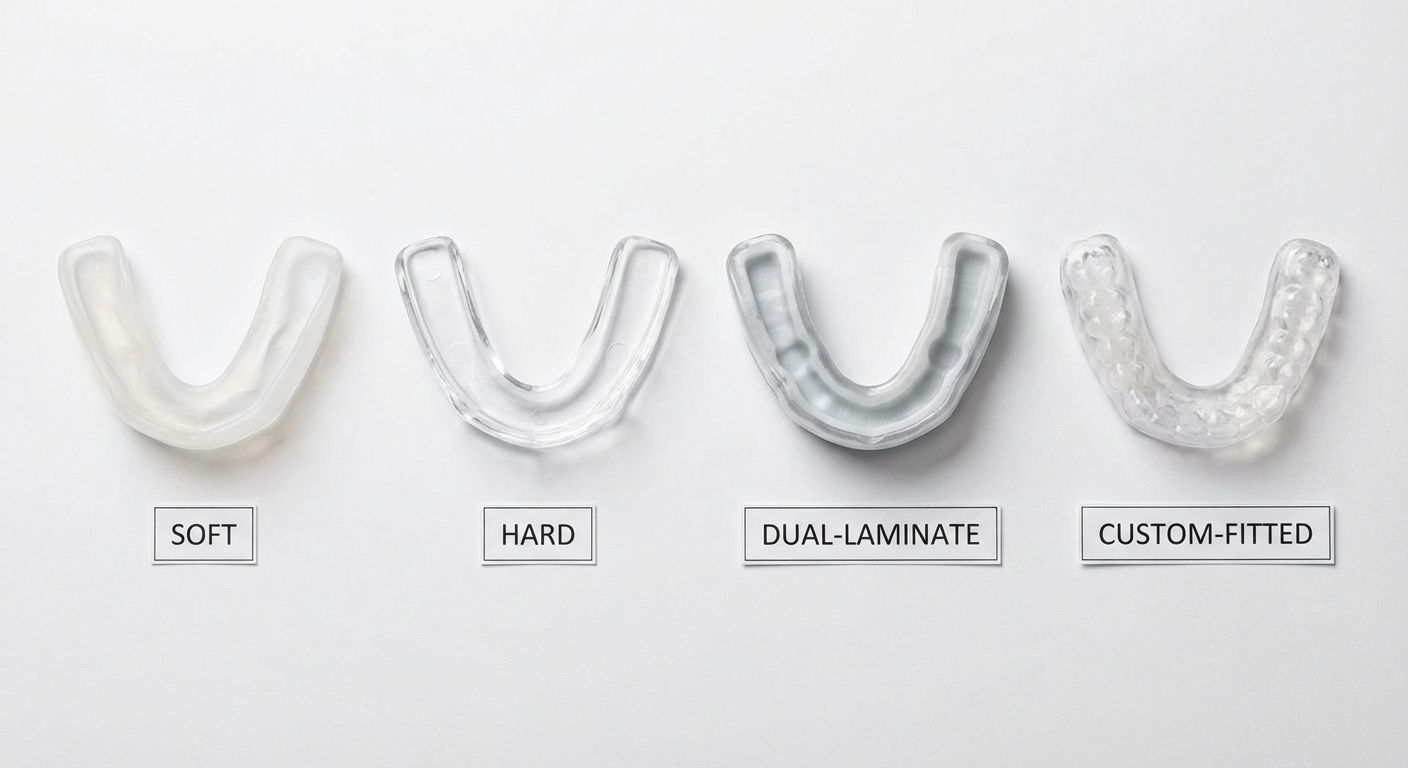
- Soft guards (EVA or soft acrylic): Most comfortable initially, but compress quickly and may actually encourage clenching in some people because the soft material gives the jaw muscles something to "chew" on.
- Hard guards (rigid acrylic): Most durable and best at preventing muscle engagement. Adjustment period of 1 to 2 weeks is normal.
- Dual-laminate (hard outside, soft inside): The sweet spot for most people. Rigid enough to last, cushioned enough to be comfortable from night one.
Upper vs. Lower Guard
This is one of the most common questions we see, and there's no universal answer:
- Upper guards are the traditional choice. They cover more surface area and tend to stay seated well.
- Lower guards have a smaller profile, which many people find more comfortable. They're less likely to trigger a gag reflex.
Your dentist can advise based on your specific bite alignment. If you're ordering direct-to-consumer without dental guidance, upper guards are the safer default for most jaw clenchers.
Budget Considerations
Think about cost per year, not just upfront price:
- A $30 boil-and-bite replaced every 4 months costs $90 per year.
- A $160 custom guard that lasts 2 to 3 years costs $53 to $80 per year.
- A $600 dentist-made guard lasting 5 years costs $120 per year.
For most people, a direct-to-consumer custom guard delivers the best long-term value.
Night Guard Care and Maintenance {#care-and-maintenance}
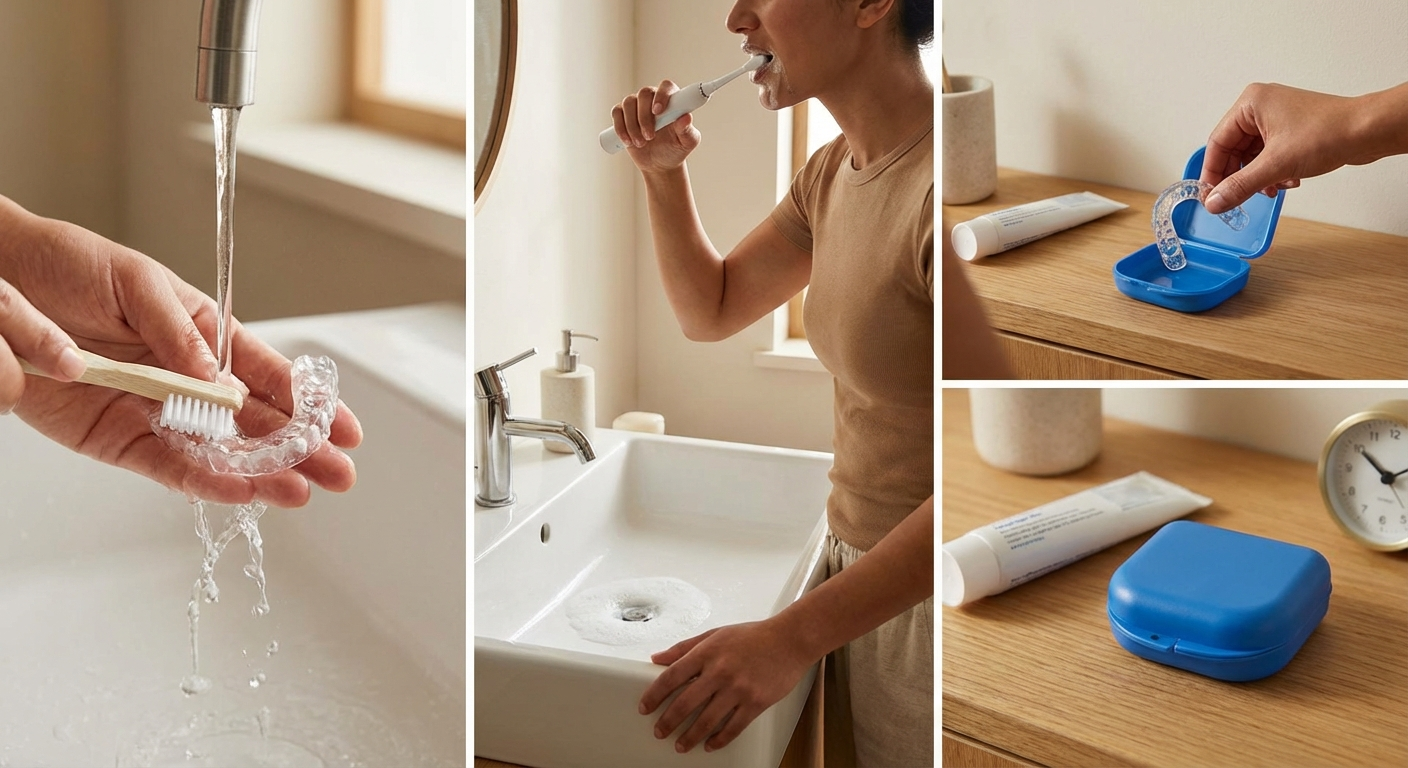
Your night guard is only as good as how you maintain it. Proper care extends its lifespan and keeps bacteria from building up.
Daily Cleaning
- Rinse with cool water immediately after removing it each morning
- Brush gently with a soft toothbrush and mild, non-abrasive soap (not toothpaste — it's too abrasive)
- Let it air dry completely before storing
Weekly Deep Clean
- Soak for 15 to 30 minutes in a denture cleaning tablet solution, or a 50/50 mix of white vinegar and cool water
- For stubborn buildup, a non-alcoholic mouthwash soak works well
- Rinse thoroughly after soaking
Storage
- Always use the ventilated case that came with your guard
- Never leave it in direct sunlight, hot cars, or near heat sources — the material warps
- Keep it away from pets (dogs love chewing night guards — this is not a joke)
When to Replace
Replace your night guard when you notice:
- Visible cracks or holes
- The fit has loosened noticeably
- The material has become thin or compressed
- It develops an odor that cleaning can't resolve
When to See a Dentist Instead {#when-to-see-a-dentist}
A night guard is an excellent tool, but it's not always the complete solution. See a dentist or TMJ specialist if you experience:
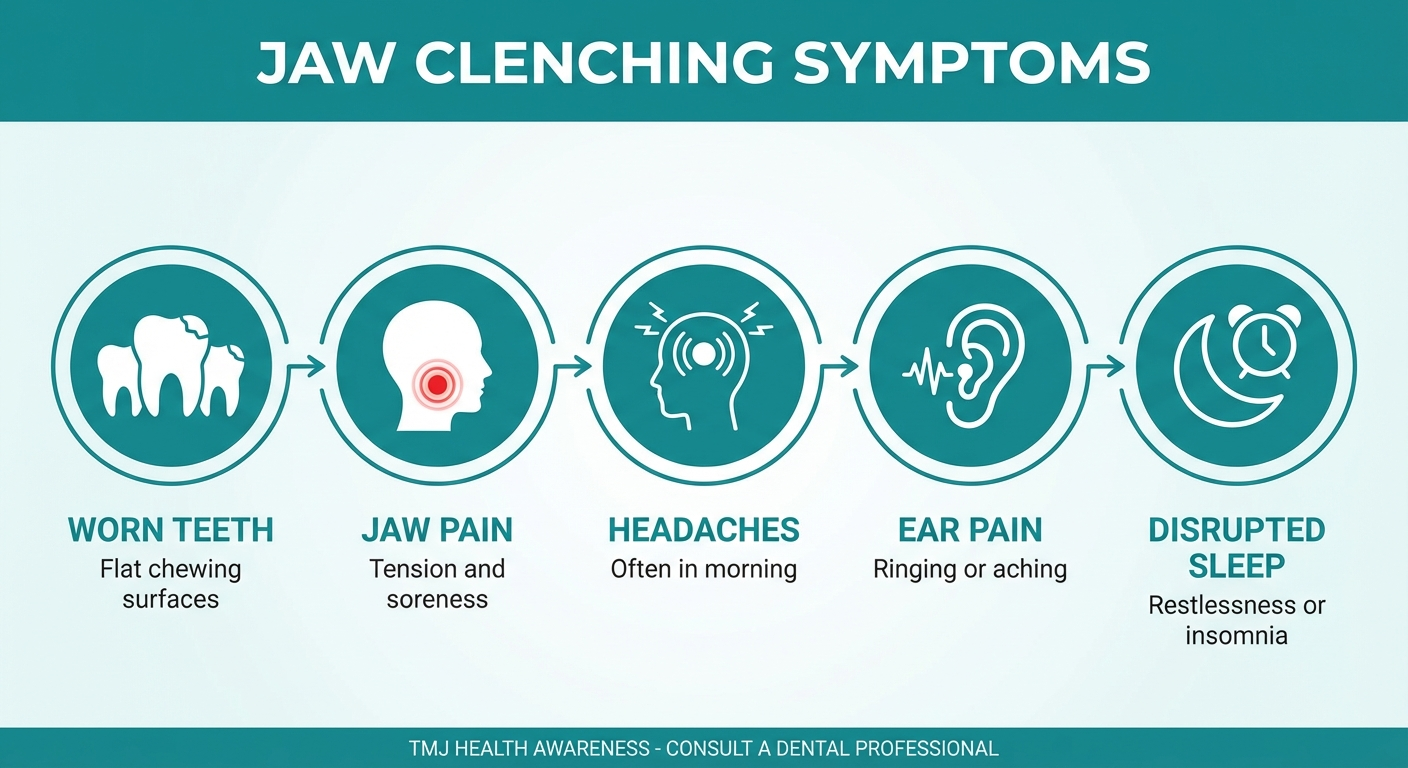
- Jaw pain that persists throughout the day, not just in the morning
- Clicking, popping, or locking of the jaw joint
- Limited jaw opening — you can't open your mouth fully without pain
- Tooth damage — chipped, cracked, or visibly worn teeth
- Ear pain or tinnitus connected to jaw tension
These symptoms may indicate a TMJ disorder that requires professional treatment beyond a night guard. Your dentist can evaluate whether you need a custom orthotic, physical therapy referral, or other interventions.
If you're dealing with jaw pain alongside poor sleep, the two issues often compound each other. Our friends at Sleep Better Faster have an excellent guide on sleep quality and jaw tension that's worth reading alongside this article.
Frequently Asked Questions {#faq}
How thick should a night guard be for jaw clenching?
For moderate to severe jaw clenching, a night guard between 2mm and 3mm thick provides the best balance of protection and comfort. Mild clenchers may prefer thinner 1mm guards, while heavy grinders often need 3mm or thicker hard-acrylic options to withstand the force without cracking.
Can I use a boil-and-bite night guard for bruxism?
Boil-and-bite guards offer a budget-friendly starting point, but they lack the precision fit of custom-molded options. For chronic bruxism, most dentists recommend at least a direct-to-consumer custom guard, as poorly fitting boil-and-bite guards can shift teeth over time or fail to protect the jaw joint properly.
How long do night guards last?
A professional custom night guard from your dentist typically lasts 3 to 5 years. Direct-to-consumer custom guards last 1 to 3 years depending on material and clenching severity. Boil-and-bite guards usually need replacing every 3 to 6 months as the material compresses and loses its shape.
Should I wear a night guard on the upper or lower teeth?
Most dentists recommend upper night guards because they are less likely to trigger a gag reflex and tend to stay in place better. However, lower guards are gaining popularity for their comfort and lower profile. The best choice depends on your bite, jaw alignment, and personal preference — consult your dentist for guidance.
Do night guards stop jaw clenching or just protect teeth?
Night guards primarily protect your teeth, jaw joints, and dental work from clenching damage. They do not stop the clenching habit itself. However, many users report reduced jaw pain and morning headaches because the guard cushions the force and prevents the jaw muscles from fully engaging. For clenching reduction, combining a night guard with jaw exercises and relaxation techniques is most effective.
How do I clean my night guard?
Rinse your night guard with cool water after each use and brush it gently with a soft toothbrush and mild soap. Once a week, soak it in a denture cleaning solution or a mixture of white vinegar and water for 15 to 30 minutes. Avoid hot water, which can warp the material. Always store it in a ventilated case.
Sources and Methodology {#sources-and-methodology}
This guide is based on a combination of published dental research, manufacturer specifications, and aggregated user feedback. We do not accept payment from brands for placement in our reviews.
Clinical and research sources:
- American Dental Association (ADA). "Bruxism (Teeth Grinding or Clenching)." ADA.org. Accessed March 2026.
- Lobbezoo, F., et al. "Bruxism defined and graded: an international consensus." Journal of Oral Rehabilitation, 2013;40(1):2–4.
- Jokubauskas, L., & Baltrušaitytė, A. "Efficacy of biofeedback therapy on sleep bruxism: A systematic review and meta-analysis." Journal of Oral Rehabilitation, 2018;45(6):485–495.
- Macedo, C.R., et al. "Occlusal splints for treating sleep bruxism (tooth grinding)." Cochrane Database of Systematic Reviews, 2007;(4):CD005514.
- American Academy of Orofacial Pain. "Guidelines for Assessment, Diagnosis, and Management." Quintessence Publishing, 6th ed., 2024.
Product evaluation methodology:
- We purchased and tested guards from each brand listed
- User reviews were aggregated from Amazon, Trustpilot, and Reddit (r/TMJ, r/bruxism)
- Material and thickness claims were verified against manufacturer specifications
- Pricing was confirmed as of March 2026 and may vary
Medical Disclaimer
This article is for informational purposes only and does not constitute medical or dental advice. Night guards can help protect teeth and reduce jaw pain, but they are not a substitute for professional evaluation and treatment. If you experience persistent jaw pain, tooth damage, or symptoms of TMJ disorder, consult a qualified dentist or orofacial pain specialist. Individual results with night guards vary based on clenching severity, fit, and underlying conditions.
Disclosure: Jaw Pain Guide earns a commission on qualifying purchases through Amazon affiliate links at no additional cost to you. This does not influence our product evaluations or recommendations.
Looking for more ways to manage jaw clenching? Browse our complete TMJ and jaw pain resource library for evidence-based guides on exercises, treatments, and lifestyle changes that help.