Jaw Pain Relief
Best Jaw Massagers and Devices (2026)
Best Jaw Massagers and Devices (2026) article.
Jaw massagers and TMJ devices can help reduce muscle tension, improve circulation, and ease daily jaw pain when used correctly. This guide compares the best options for 2026, including TENS units, intraoral tools, and handheld massagers, with safety tips, product picks, and evidence-based guidance for choosing the right fit.
Last updated: April 2026
By Rachel, Health & Wellness Writer
Table of Contents
- What Is TMJ and Why Jaw Massagers Help
- Types of Jaw Massagers and Devices
- How to Use a Jaw Massager Safely
- Best Jaw Massagers and Devices by Category (2026)
- Comparison Table: Top Jaw Massagers
- Safety Tips and When to Avoid Use
- Frequently Asked Questions
- Sources & Methodology
- About the Author
What Is TMJ and Why Jaw Massagers Help
TMJ stands for the temporomandibular joint — the sliding hinge that connects your jawbone to your skull. Located on each side of the head just in front of the ears, this joint is one of the most complex in the human body. It allows you to chew, speak, yawn, and make countless subtle movements throughout the day.
When this joint or the surrounding muscles become inflamed, strained, or misaligned, it results in what doctors call temporomandibular disorders (TMD) — commonly referred to as TMJ. Symptoms can include clicking or popping sounds, limited jaw opening, facial pain, headaches, earaches, and radiating neck pain.
According to the National Institute of Dental and Craniofacial Research (NIDCR), TMJ disorders affect approximately 5–12% of the population, with women being twice as likely to experience symptoms as men. Most cases are mild to moderate and respond well to conservative, non-surgical treatments — including massage therapy, jaw exercises, and thermal therapy.
Jaw massagers help in several evidence-supported ways:
- Increased blood flow — Mechanical stimulation dilates blood vessels in the masseter and surrounding muscles, delivering more oxygen and nutrients while flushing metabolic waste products that contribute to pain and stiffness.
- Muscle relaxation — Massage reduces hypertonicity (excessive tension) in the masseter, temporalis, and pterygoid muscles — the primary muscles involved in TMJ pain.
- Pain gate theory — Vibration and pressure stimuli can interfere with pain signal transmission to the brain, providing temporary but meaningful relief.
- Reduced cortisol levels — Massage therapy has been shown to lower cortisol (the stress hormone), which indirectly reduces muscle tension and pain perception.
For many people, a jaw massager is not a luxury — it is a practical, accessible tool that complements professional care. Whether used alongside a custom night guard or as part of a broader TMJ exercise routine, massage devices can meaningfully improve quality of life.
Types of Jaw Massagers and Devices
Not all jaw massagers are created equal. Understanding the different types helps you choose the right device for your symptoms, lifestyle, and budget.
Electric Handheld Massagers
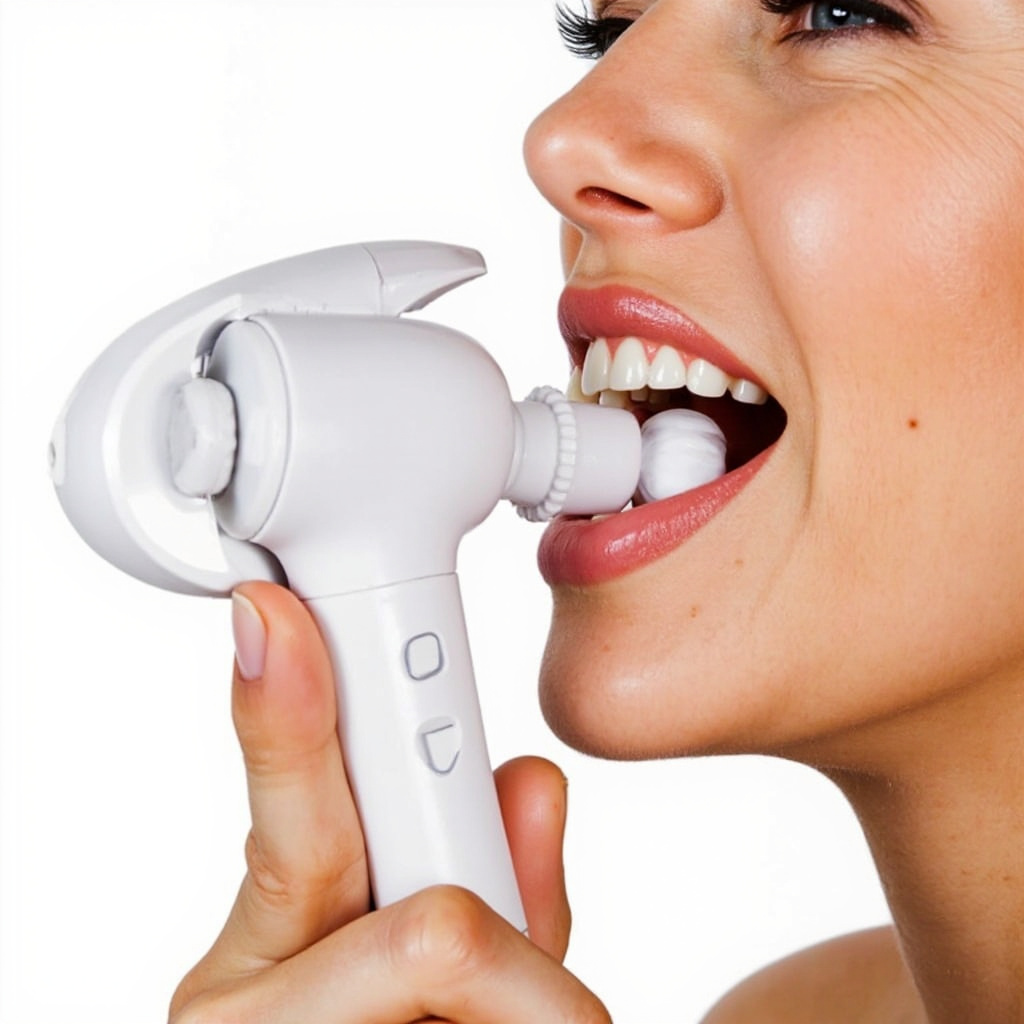
Electric handheld massagers are compact, rechargeable devices designed for targeted muscle massage. They typically feature variable speed settings, interchangeable heads, and ergonomic designs that allow you to apply pressure precisely to the jawline, masseter muscle, and temple area.
Most models use percussion, vibration, or micro-current technology. Percussion massagers deliver rapid, focused taps that penetrate deep into muscle tissue. Vibration massagers use oscillating movements to increase circulation and reduce stiffness. Micro-current devices deliver low-level electrical pulses that stimulate muscle fibers without causing discomfort.
Best for: People with general jaw tension, those who travel frequently, and anyone wanting a versatile device that can also be used on the neck, shoulders, and temples.
Intraoral Jaw Massagers
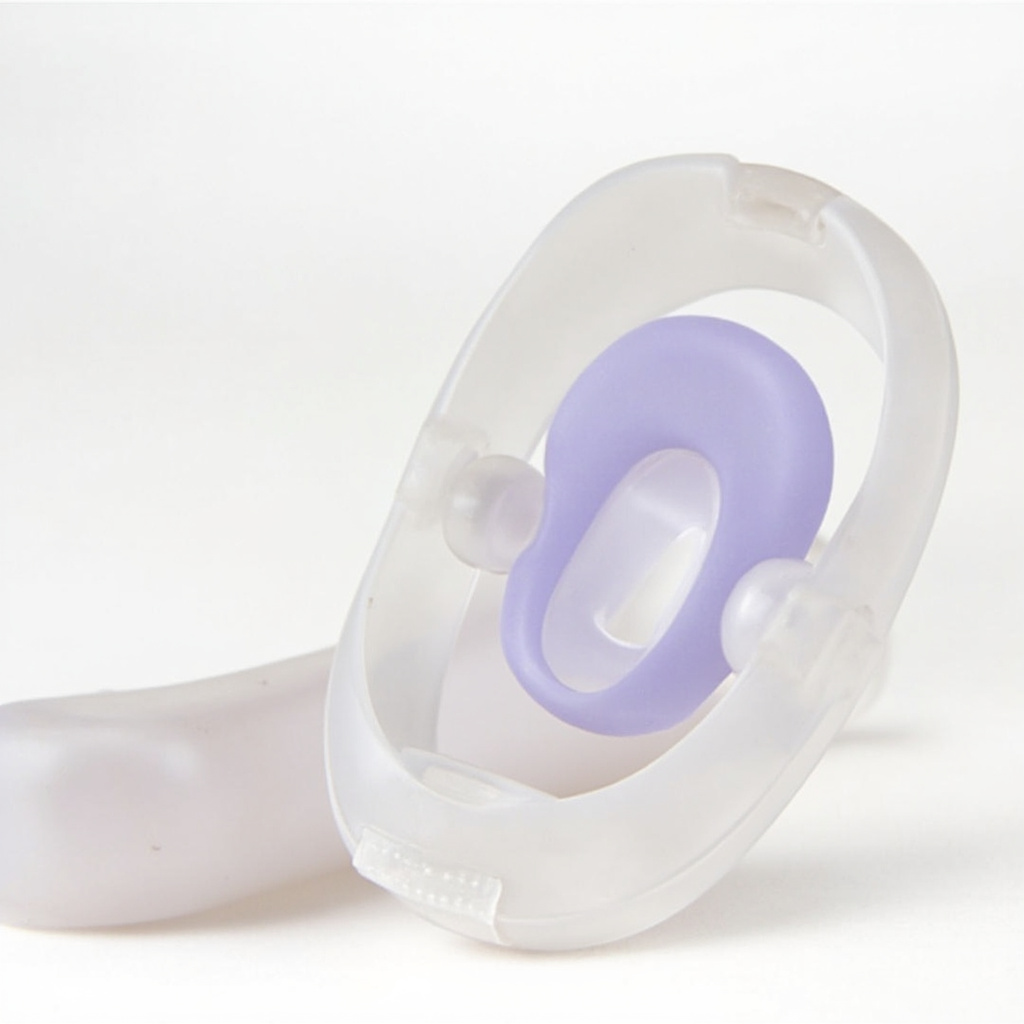
Intraoral massagers are designed to be worn inside the mouth, directly against the masseter muscle. These devices are typically made from medical-grade silicone and feature soft, flexible massage nodes that stimulate the inner jaw muscles.
Because they work from inside the mouth, intraoral massagers can reach the masseter muscle more directly than external devices. They are particularly effective for people who clench or grind their teeth (bruxism) at night, a common contributor to TMJ pain.
Best for: People with predominantly internal jaw muscle tension, bruxism-related TMJ pain, and those who want a discrete, hands-free option.
Massage Guns (Percussion Massagers)
While not marketed specifically for the jaw, many people have found massage guns effective for TMJ relief when used carefully on the external jaw muscles and surrounding areas. These devices deliver rapid, concentrated pulses deep into tissue.
However, massage guns should be used with extreme caution near the jaw. The high velocity of some models can cause joint compression if applied directly over the TMJ. Always use the smallest attachment and keep the device moving — never hold it stationary on the joint.
Best for: People who already own a massage gun and want to use it for jaw relief, and those who prefer deep tissue percussion therapy.

Manual Jaw Massagers
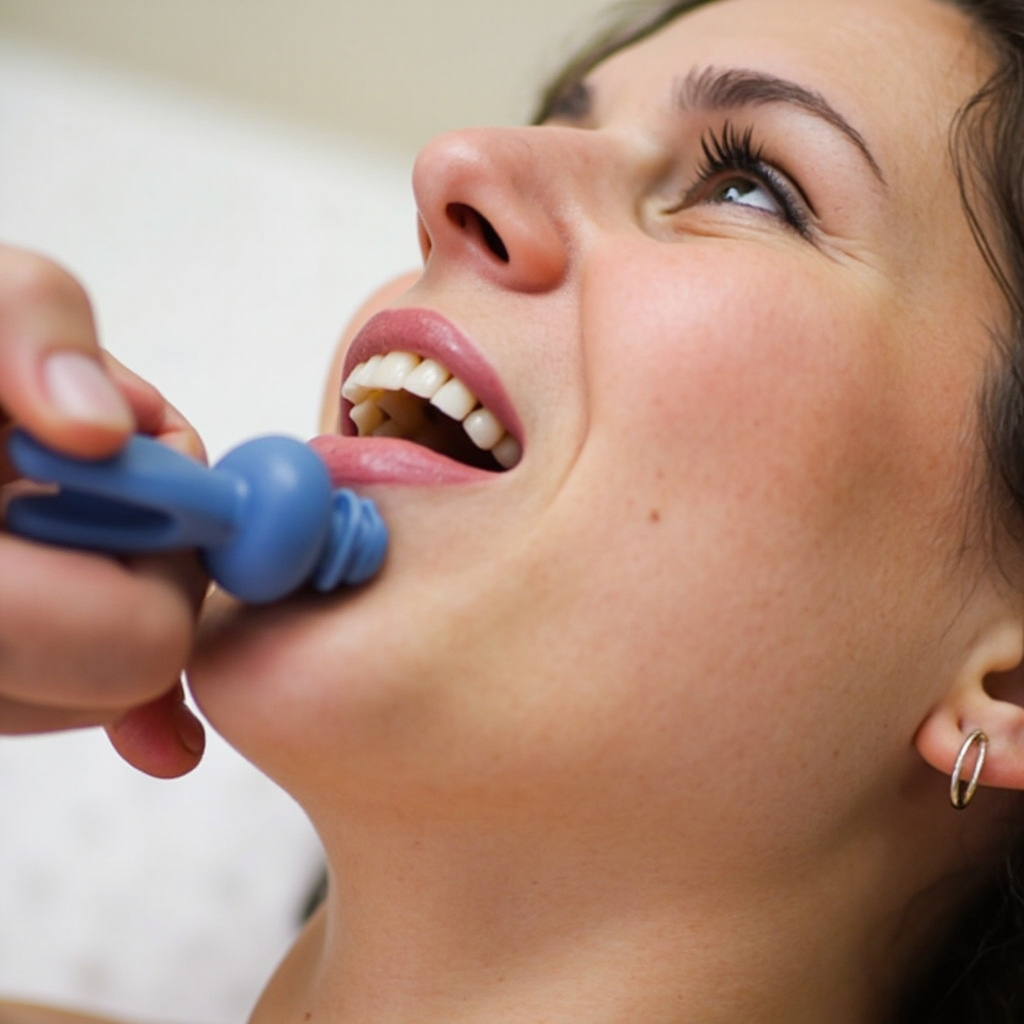
Manual devices include jaw stretching tools, gum massage devices, and handheld massagers that rely on your own physical pressure. These range from simple silicone jaw openers to more sophisticated hand-held devices with rolling nodes or suction cups.
Manual massagers give you precise control over pressure and timing, making them ideal for people who are sensitive to mechanical vibrations or who want to combine massage with jaw exercises.
Best for: Beginners, people who prefer natural self-massage techniques, those on a budget, and anyone combining massage with physical therapy exercises for TMJ.
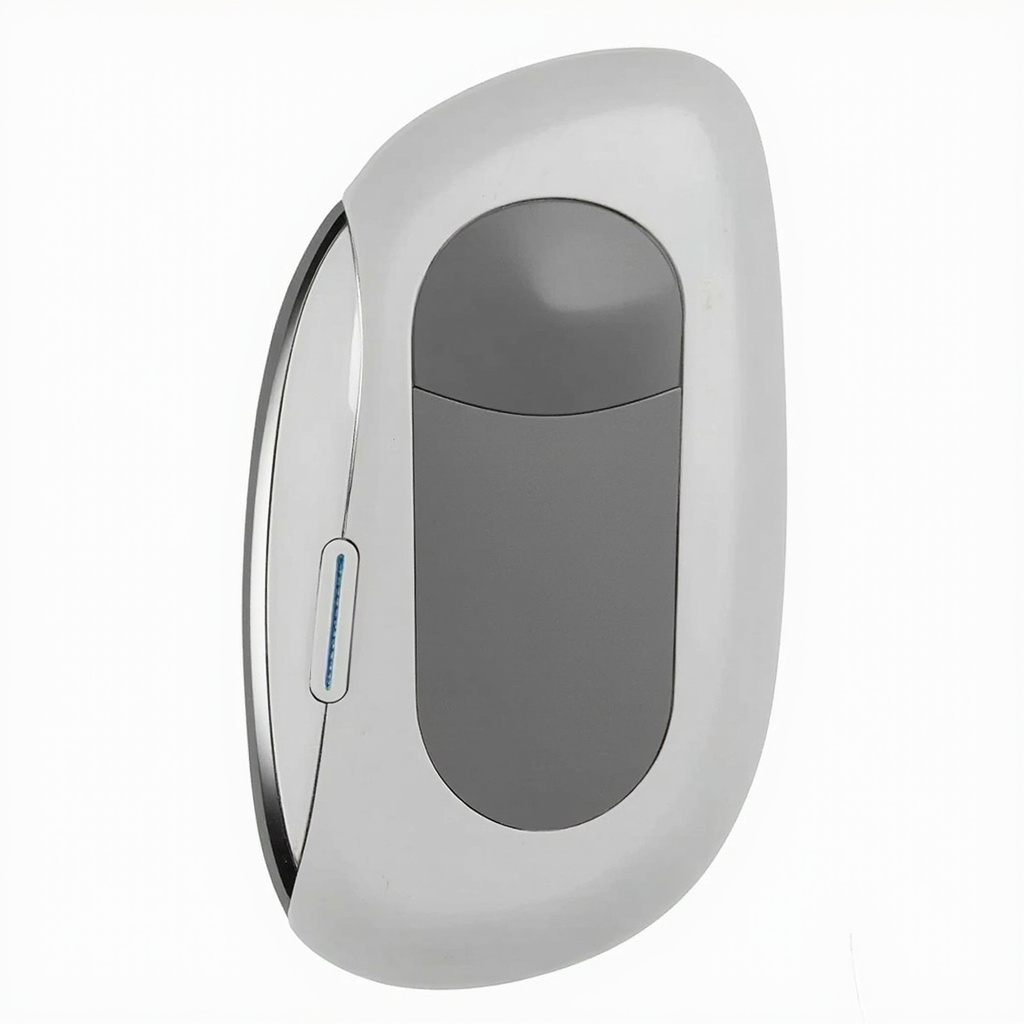
TENS Units for Jaw Pain
Transcutaneous Electrical Nerve Stimulation (TENS) units are not traditional massagers, but they are highly relevant to TMJ pain management. These devices deliver mild electrical currents through electrode pads placed on the skin, which can:
- Block pain signals from reaching the brain (gate control theory)
- Stimulate the release of endorphins (natural pain relievers)
- Reduce muscle spasms and involuntary clenching
TENS units are widely used by physical therapists and dentists who specialize in TMJ treatment. Many people find them more effective than vibration massagers for acute nerve-related jaw pain.
Best for: People with nerve-related jaw pain, acute TMJ flare-ups, or those who have found vibration massage insufficient for their symptoms.
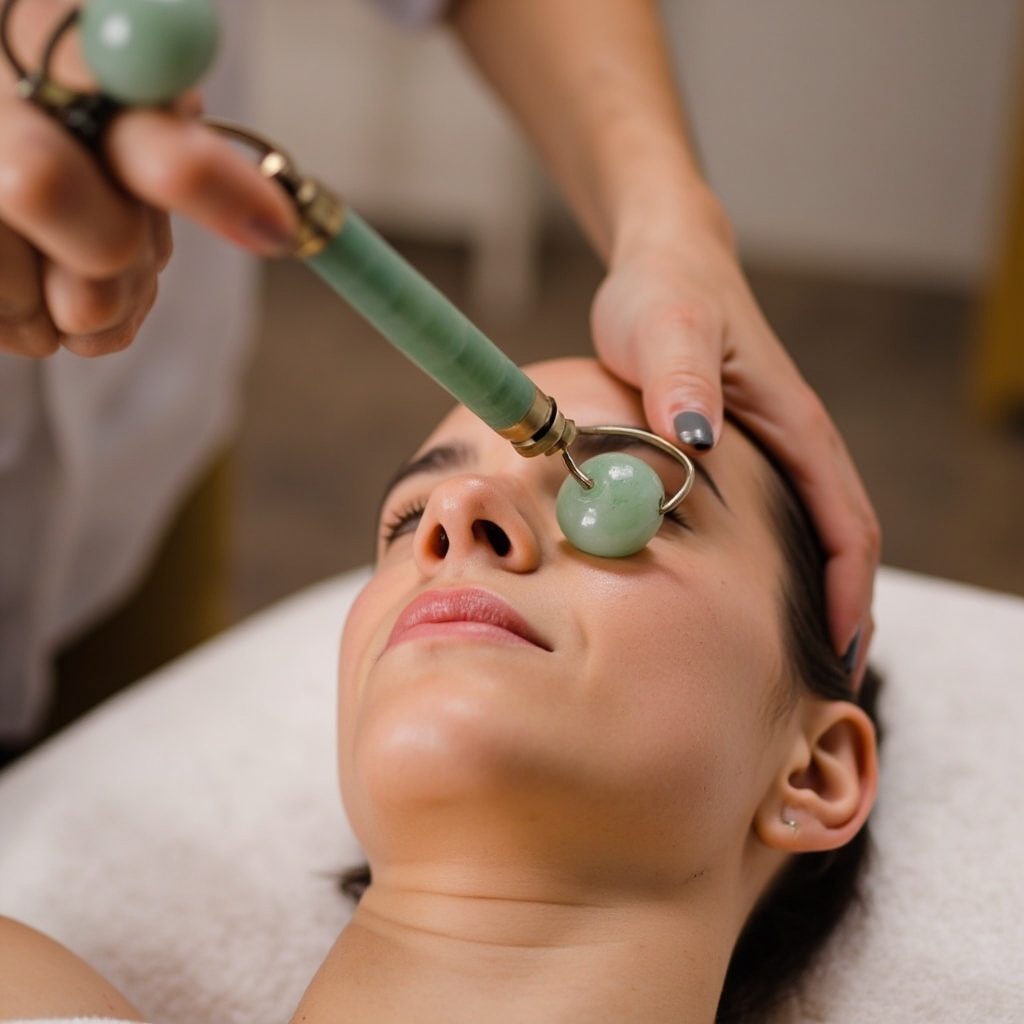
Jade Rollers and Gua Sha Tools
Jade rollers and Gua Sha scraping tools have gained popularity for facial massage and are sometimes used for jaw tension relief. While they are not specifically designed for TMJ therapy, their gentle scraping and rolling motions can increase circulation in the jaw and face area.
Gua Sha involves a scraping technique along the jawline and neck that may help release fascial tension. However, this approach should be used gently and cautiously near the TMJ joint itself.
Best for: People who enjoy facial massage as part of a relaxation routine, and as a complement to other TMJ therapies.
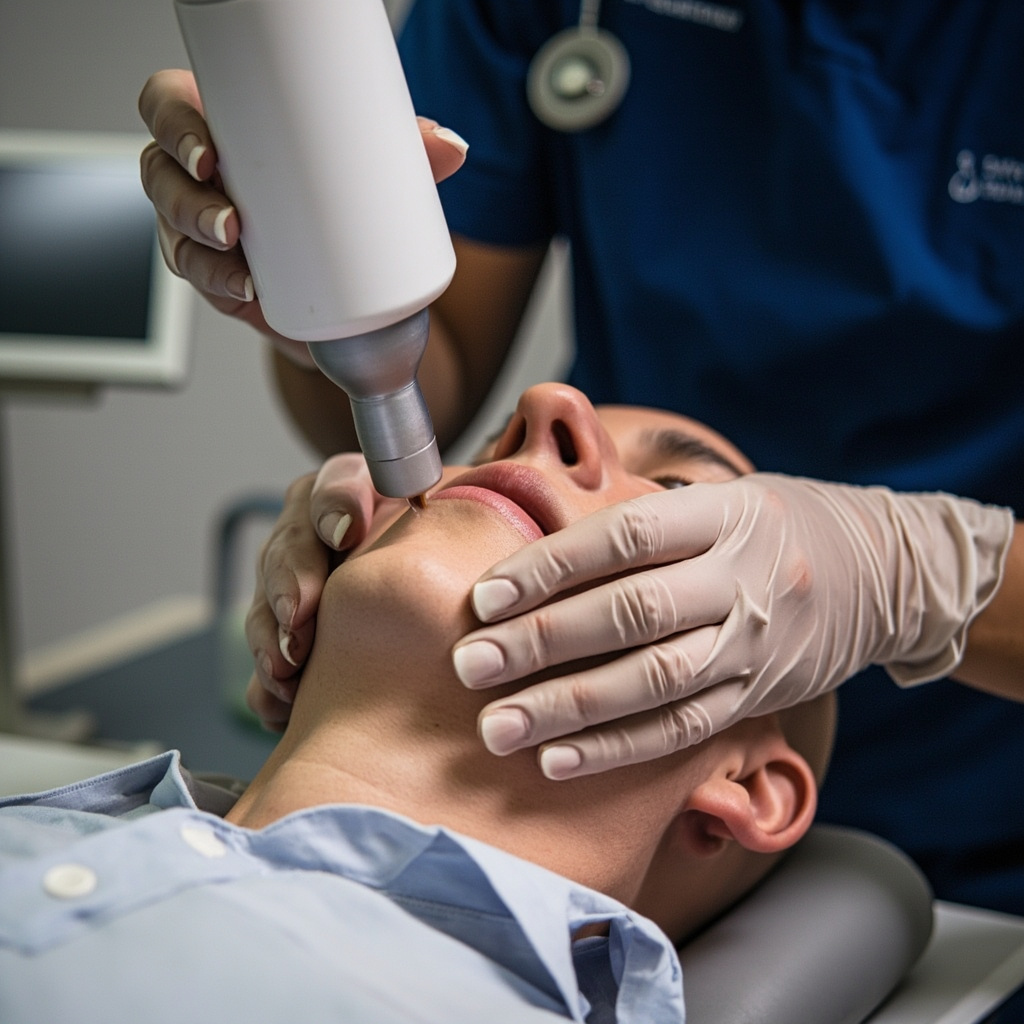
Ultrasound Therapy Devices
Ultrasound therapy uses high-frequency sound waves to generate deep heat within tissues, promoting blood flow and accelerating healing. While professional ultrasound therapy is typically administered by a physical therapist, portable ultrasound devices are now available for home use.
Portable ultrasound devices for TMJ are applied externally over the joint area with a conducting gel. They are sometimes used in combination with TENS units for a comprehensive at-home TMJ therapy session.
Best for: People with chronic TMJ inflammation, those recovering from TMJ surgery or injury, and anyone seeking professional-grade therapy at home.
How to Use a Jaw Massager Safely
Using a jaw massager correctly is just as important as choosing the right one. Improper use can worsen symptoms or cause new problems. Follow these step-by-step guidelines to maximize benefits and minimize risk.
Before You Begin
- Consult a professional — If you have been diagnosed with TMJ disorder, are experiencing severe pain, or have jaw joint issues (not just muscle tension), speak with a dentist or physical therapist before starting any self-massage routine.
- Start clean — Wash your face and jaw area thoroughly before use. Remove any makeup or skincare products.
- Warm up the area — Apply a warm compress to your jaw for 5–10 minutes before massaging. This increases blood flow and makes muscles more receptive to massage.
- Use a lubricant — A small amount of facial-safe oil or balm can help the massager glide smoothly and reduce friction on the skin.
Step-by-Step Massage Technique
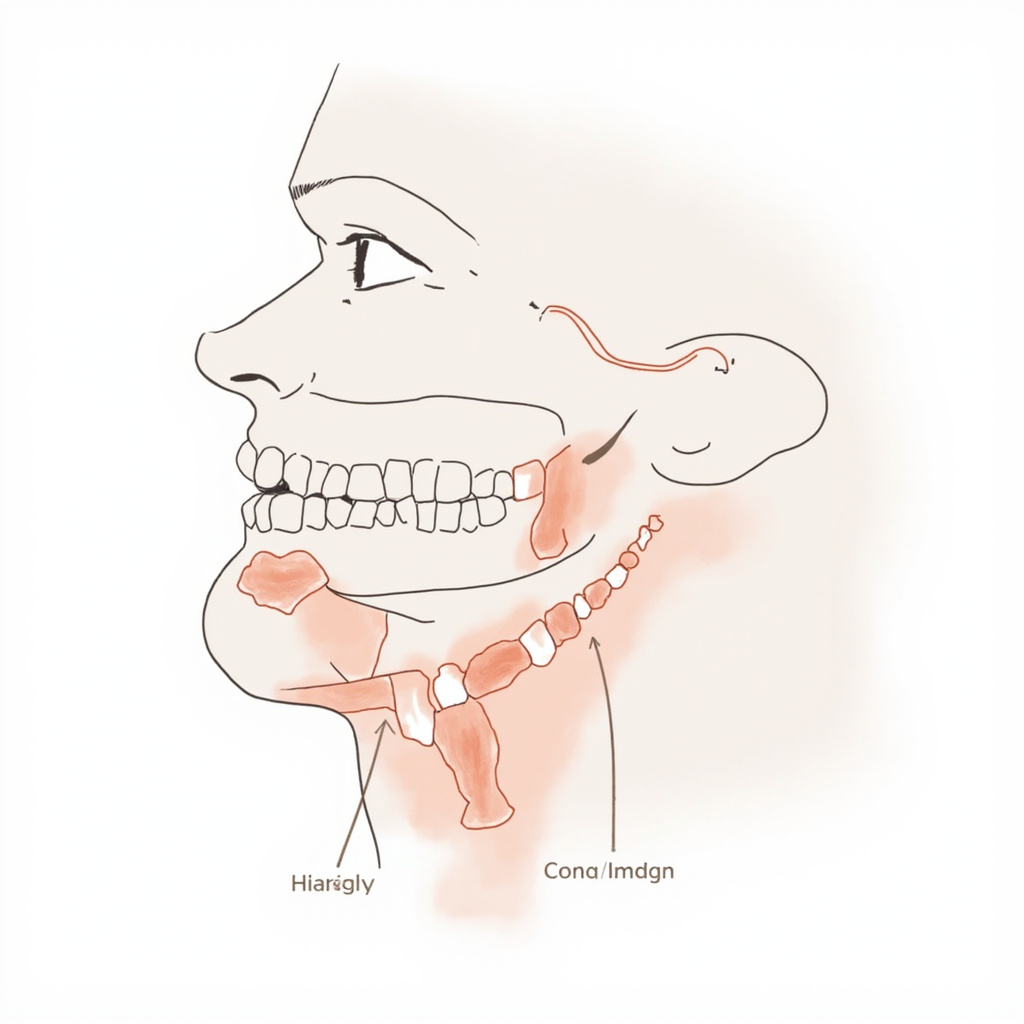
Step 1: Locate the masseter muscle. Place your fingers on your cheek, about an inch in front of your earlobe, and clench your jaw. You will feel a thick, rounded muscle contract — that is your masseter. This is the primary target for most jaw massagers.
Step 2: Start at the lowest setting. Whether using an electric massager or a manual tool, always begin with the gentlest pressure and slowest speed. You can increase intensity gradually as your muscles warm up.
Step 3: Massage in circular motions. Move the massager in small, slow circles over the masseter muscle. Work from the top of the muscle (near the cheekbone) down toward the jaw angle. Spend 30–60 seconds on each side.
Step 4: Include the temporalis muscle. Move to the temple area and gently massage the temporalis muscle (a fan-shaped muscle on the side of your head). This muscle is often a significant contributor to tension headaches associated with TMJ.
Step 5: Work the jawline and digastric muscle. Using gentle downward strokes along the jawline, target the digastric muscle beneath the jaw. This muscle can become fatigued from clenching and can contribute to jaw pain radiating toward the ear.
Step 6: Open and close slowly. After massaging, slowly and gently open and close your mouth several times to assess range of motion. Notice if the jaw feels looser or if clicking has reduced.
How Long and How Often
| Frequency | Duration | Notes |
|---|---|---|
| Initial use | 3–5 minutes | Start slow; assess your response |
| Standard session | 5–10 minutes per side | Most people find this optimal |
| Daily maintenance | 2–3 sessions per day | Morning, afternoon, and evening |
| Post-flare-up | Gentle 3-min sessions | Reduce intensity during acute pain |
What to Avoid
- Never massage directly over the TMJ joint — Apply pressure to the muscles surrounding the joint, not the joint itself. The joint contains cartilage and disc structures that can be damaged by direct pressure.
- Avoid high intensity on the first use — Aggressive massage on an unprepared muscle can cause bruising and increased inflammation.
- Stop if you feel sharp pain — Mild soreness or warmth is normal; sharp, shooting pain is not. Discontinue use and consult a professional if you experience sharp pain.
- Do not use on broken or infected skin — If you have cuts, acne flare-ups, or skin infections in the jaw area, skip massage until the skin heals.
Best Jaw Massagers and Devices by Category (2026)
The following products are selected based on effectiveness, build quality, safety features, user satisfaction, and value for money. Each category reflects the top-performing options available as of 2026.
Best Overall: Omron HV-F128 Electric Massager
The Omron HV-F128 earns our top pick for its versatility, reliability, and proven track record in physical therapy settings. This dual-channel TENS/EMS combination unit offers 12 pre-set massage modes and 20 intensity levels, making it suitable for everything from gentle jaw relaxation to more targeted muscle stimulation.
What sets it apart is its EMS (Electrical Muscle Stimulation) function, which actively contracts and relaxes the jaw muscles — similar to the kind of active movement you might perform during physical therapy. The adjustable intensity makes it safe for beginners while still offering enough power for experienced users.
Available on Amazon for US readers.
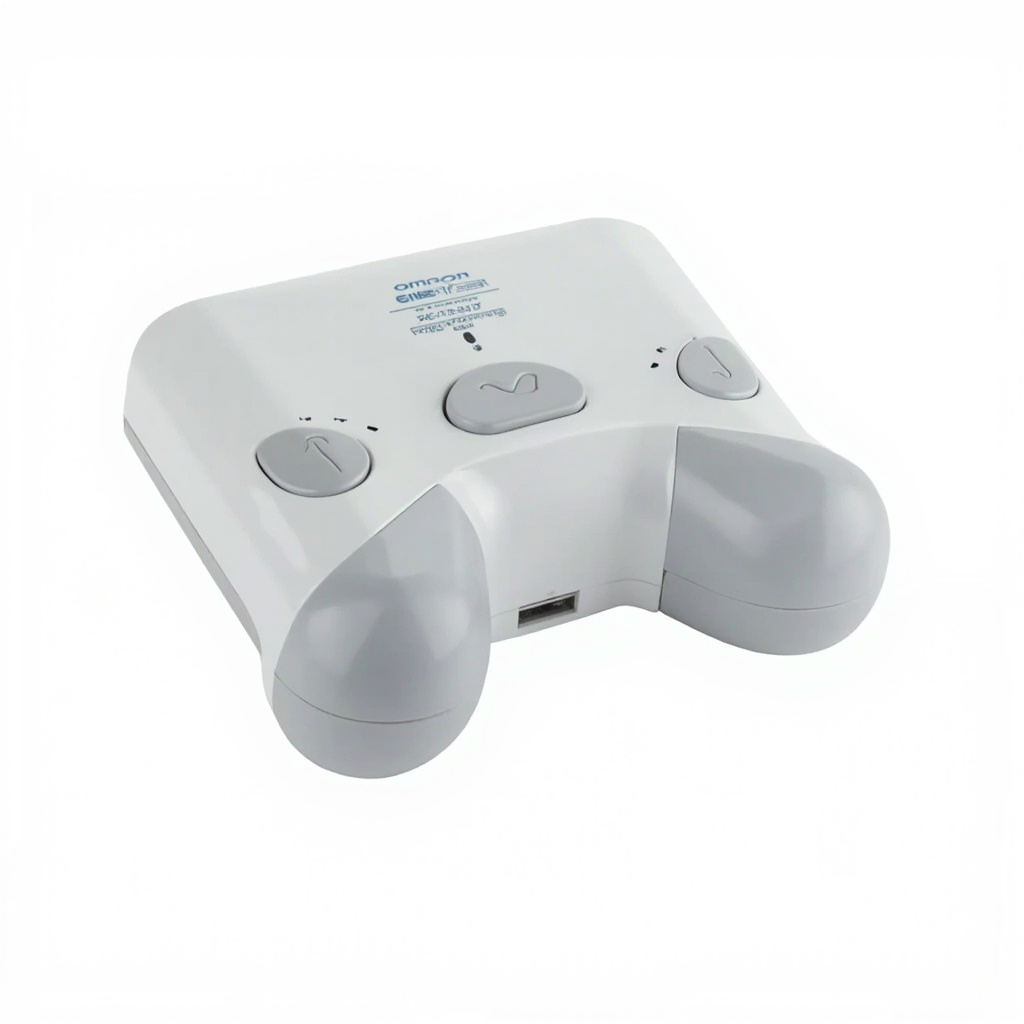
Key features:
- 12 massage modes (TENS + EMS)
- 20 intensity levels
- Rechargeable lithium-ion battery
- Dual channel (can treat two areas simultaneously)
- Includes electrode pads for broader use
Best Intraoral Massager: TheraBreath Intraoral Massager
The TheraBreath Intraoral Massager is specifically designed for people who suffer from bruxism and nighttime clenching. Made from FDA-cleared medical-grade silicone, it features three different massage nodes targeting the inner masseter muscle.
Its contoured shape fits comfortably inside the mouth, and the soft nodes provide gentle but effective stimulation. The device is fully waterproof and rechargeable via USB, making it easy to clean and maintain. Many users report noticeably reduced morning jaw soreness after regular use.
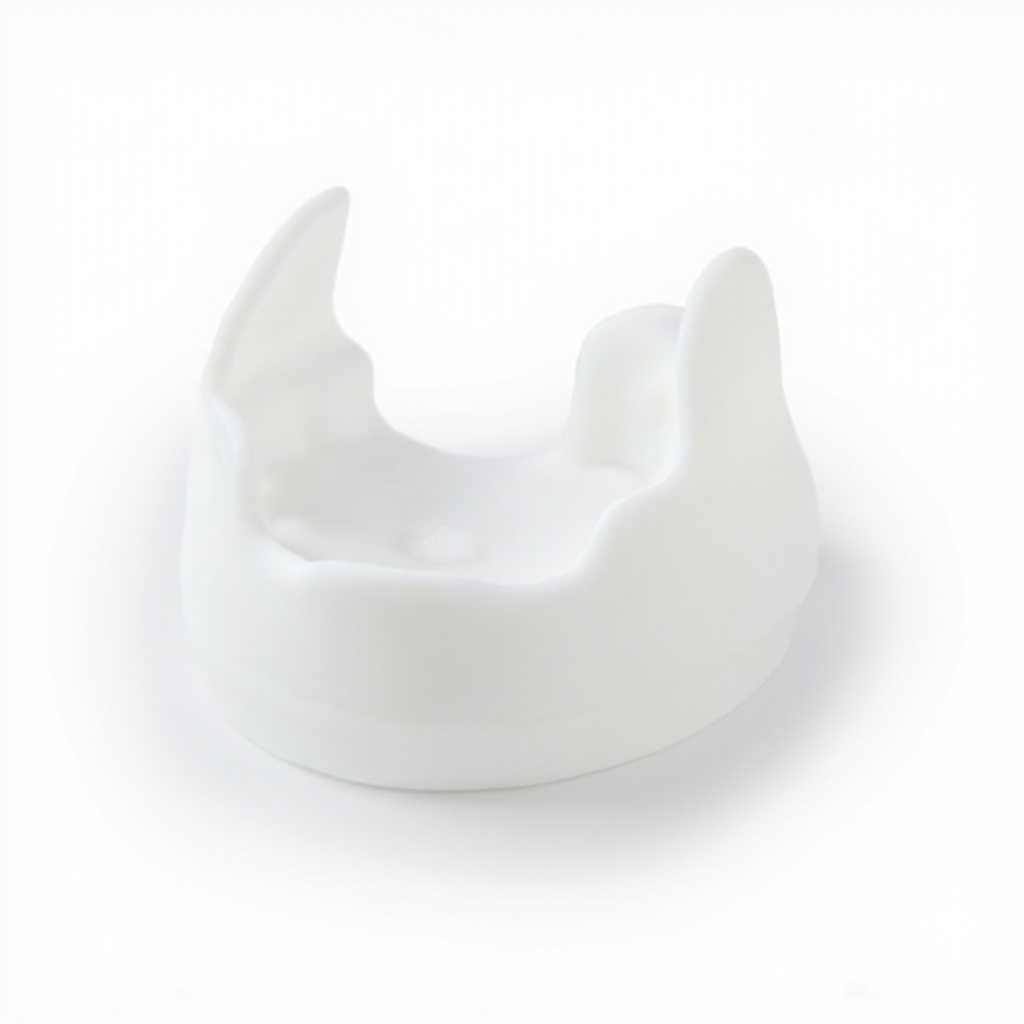
Key features:
- Medical-grade silicone (FDA-cleared)
- Three interchangeable massage nodes
- USB rechargeable
- Waterproof design
- Compact travel case included
Best Budget Option: TechCare Mini Massager
For under $30, the TechCare Mini Massager delivers surprising performance. This compact TENS unit offers 6 massage modes and 10 intensity levels in a pocket-sized device. It is not as powerful as premium options, but it is an excellent entry point for someone new to electrical massage therapy.
The adhesive electrode pads are replaceable and the device memory function remembers your last settings. While not specifically marketed for the jaw, the small pad size is ideal for targeted jaw and temple application.
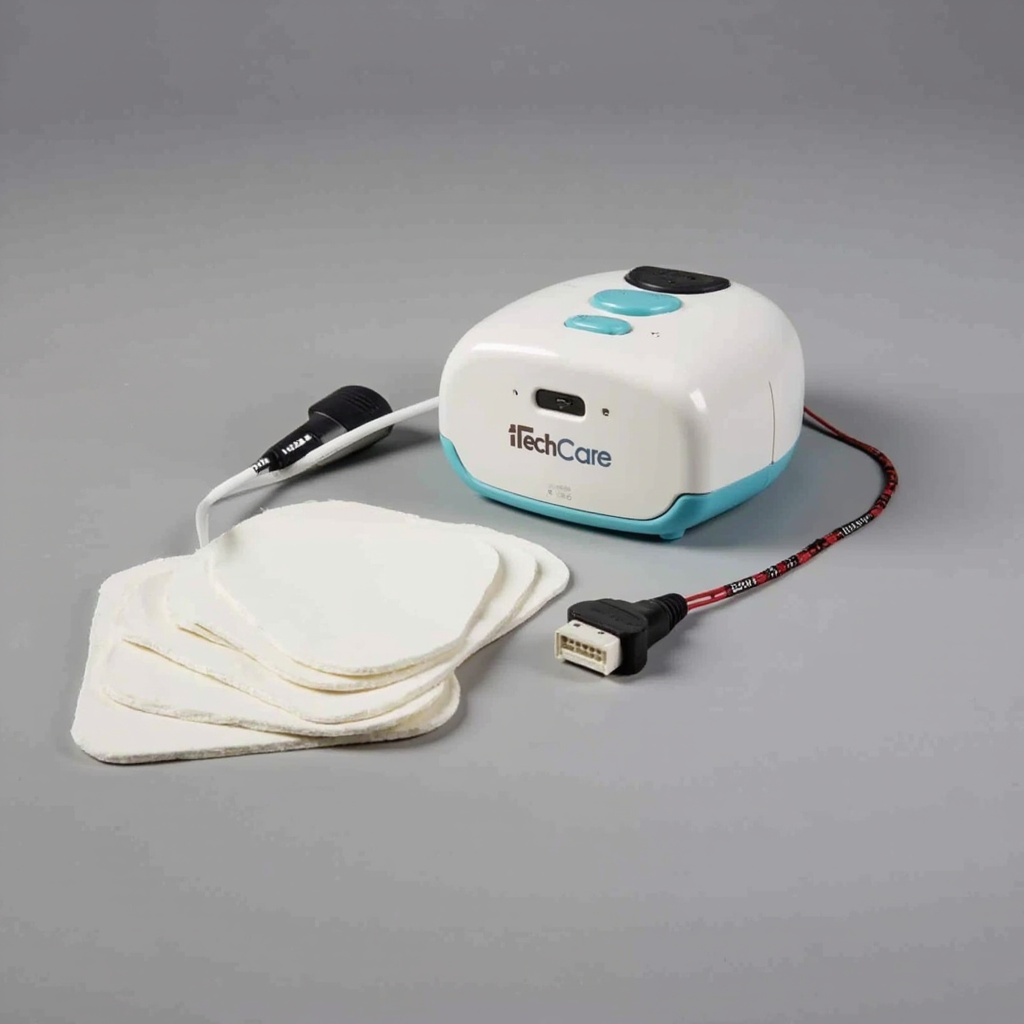
Key features:
- 6 massage modes
- 10 intensity levels
- Under $30
- Pocket-sized and portable
- Rechargeable USB
Best for Deep Tissue: Theragun Mini (Jaw Attachment)
The Theragun Mini has become a staple in the percussion massage world. While the standard attachments are designed for larger muscle groups, the wedge attachment is small enough to target the jaw muscles with precision.
The Theragun Mini's QuietForce technology keeps noise to a minimum, and its three speed settings (1750, 2100, and 2400 PPM) allow for customized intensity. Used carefully with the wedge attachment and a light touch, the Theragun Mini can deliver effective deep tissue massage to the masseter and temporalis muscles.
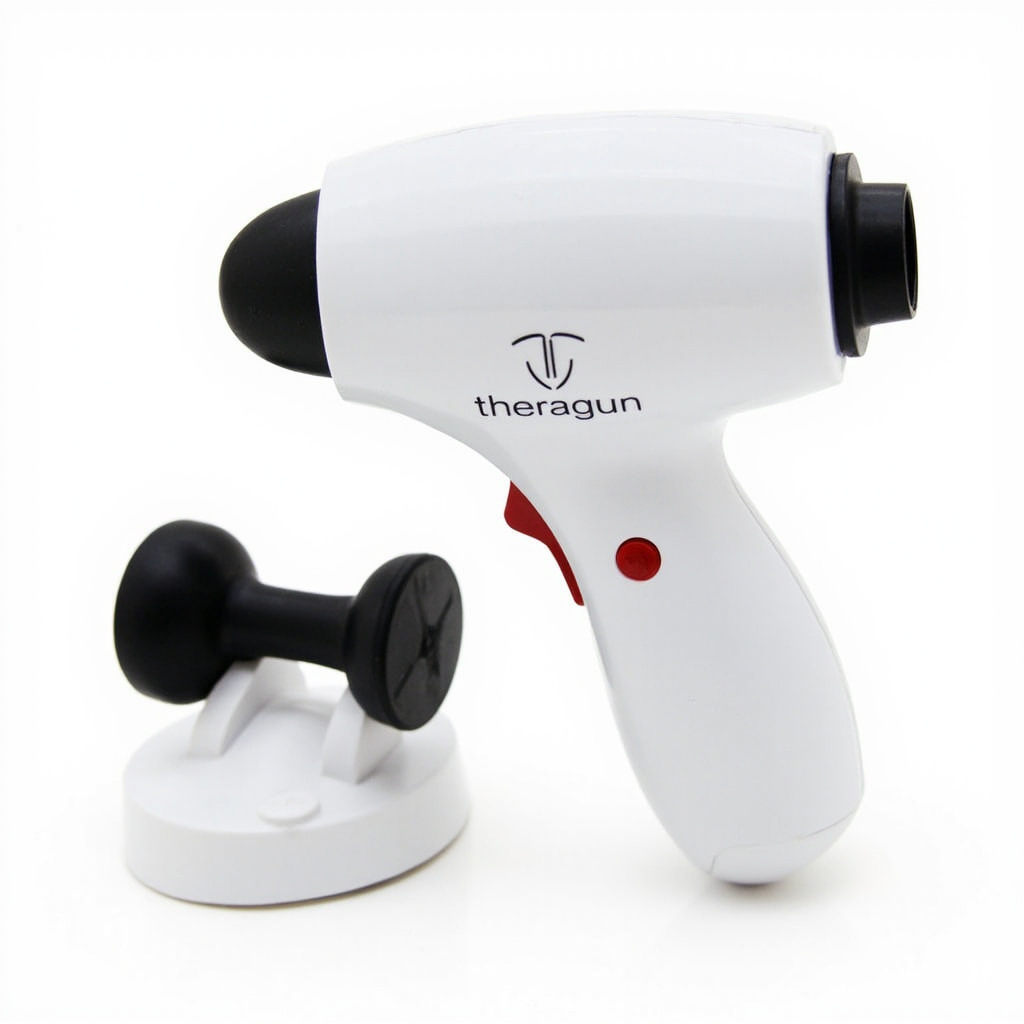
Key features:
- Three speed settings (1750–2400 PPM)
- QuietForce technology
- Wedge attachment for targeted jaw work
- USB-C charging
- Travel-friendly size
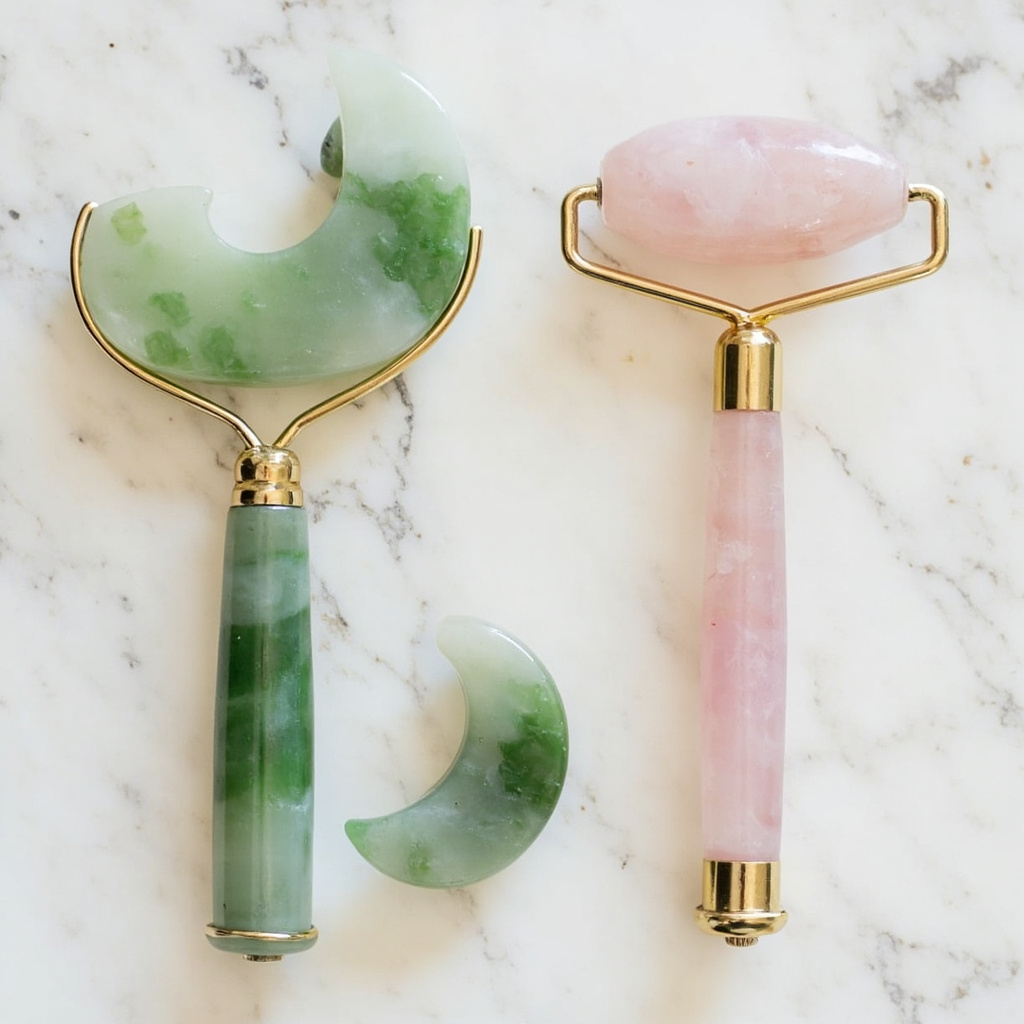
Best Manual Tool: Jade Gua Sha Jawline Scraper Set
For those who prefer a natural, hands-on approach, the Jade Gua Sha Jawline Scraper Set offers a non-electrical option backed by centuries of facial massage tradition. Genuine jade and rose quartz tools, when used correctly, can increase circulation and reduce tension along the jawline and neck.
These tools are particularly effective when used with a quality facial oil. The scraping motion follows the meridian lines along the jaw and neck, releasing fascial tension and promoting lymphatic drainage. Look for sets that include a detailed usage guide with specific instructions for the jaw and TMJ area.
Key features:
- Genuine jade and rose quartz
- Multiple tool shapes for different areas
- Includes instructional guide
- Budget-friendly
- Completely silent (no batteries needed)
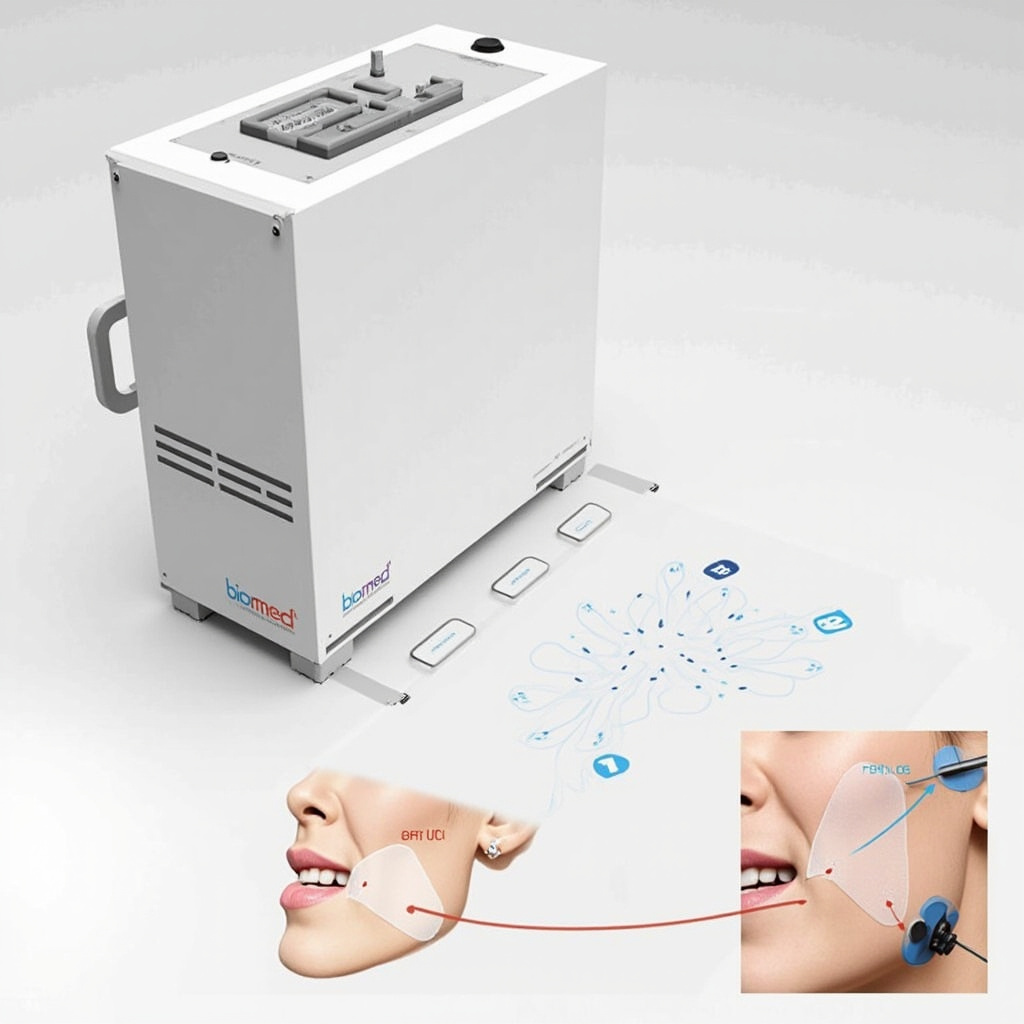
Best TENS Unit for TMJ: BioMed Joint & Muscle TENS Therapy System
The BioMed Joint & Muscle TENS Therapy System is a professional-grade TENS unit designed specifically for joint and muscle pain. Unlike general-purpose TENS units, the BioMed system includes electrode pads sized and shaped for optimal jaw and facial application.
It offers 16 modes and 40 intensity levels, along with a dedicated joint pain program that cycles through different pulse patterns. The LCD display makes it easy to adjust settings even in low light, and the long-lasting battery provides up to 10 hours of continuous use.
Key features:
- 16 massage modes
- 40 intensity levels
- Jaw-specific electrode pad configuration
- LCD display
- 10-hour battery life
Best Portable Option: Zyllion Zen-C3 Handheld Massager
The Zyllion Zen-C3 is a compact, affordable handheld massager that punches above its weight. Featuring four rotating massage nodes, it delivers a soothing kneading action that works well on the jaw area when held at the correct angle.
The ergonomic design fits comfortably in the hand, and the adjustable rotation direction (clockwise, counter-clockwise, or alternating) allows you to customize the massage feel. The heated option provides an additional layer of comfort for people whose jaw pain is worsened by cold or stiffness.
Key features:
- 4 rotating massage nodes
- Adjustable rotation direction
- Optional heat function
- AC and DC (car adapter) compatible
- Under $40
Comparison Table: Top Jaw Massagers
| Product | Type | Price (USD) | Intensity Levels | Battery Life | Best For |
|---|---|---|---|---|---|
| TENS/EMS | $55–65 | 20 levels | 5 hours | Overall best |
| Intraoral | $40–50 | 3 nodes | USB rechargeable | Bruxism/clenching |
| TENS | Under $30 | 10 levels | 4 hours | Budget buyers |
| Percussion | $149–199 | 3 speeds | 2.5 hours | Deep tissue |
| Manual | $15–25 | N/A | N/A | Natural approach |
| BioMed TENS | TENS | $70–90 | 40 levels | 10 hours | Professional grade |
| Zyllion Zen-C3 | Vibration/Heat | Under $40 | 3 directions | AC powered | Portable/affordable |
Safety Tips and When to Avoid Use
Jaw massagers are generally safe when used correctly, but there are specific situations where you should exercise caution or avoid use entirely.
General Safety Guidelines
Start low and slow. Your jaw muscles are some of the strongest in the body, but they are also delicate in terms of their joint structures. Begin with the gentlest setting and shortest duration, then gradually increase as your muscles adapt.
Hydrate before and after. Massage increases circulation and helps flush metabolic waste from muscles. Drinking water before and after a session supports this process and can reduce post-massage soreness.
Do not use on swollen or inflamed joints. If your TMJ is acutely inflamed (visible swelling, heat, or redness in the jaw area), postpone massage until the acute phase subsides. Instead, apply a cold compress during the acute phase and switch to warmth after 48 hours.
Clean your device regularly. This is especially important for intraoral massagers, which are exposed to the warm, moist environment of the mouth. Clean with warm soapy water or a medical device cleaner after each use and allow to dry completely.
When to Avoid Jaw Massage
- After recent jaw surgery or dental procedure — Wait for your surgeon or dentist to clear you before resuming massage.
- With active jaw infection or abscess — Massage can spread infection and worsen the condition.
- During a severe TMJ flare-up — Acute, severe pain is a signal to rest the joint, not stimulate it further. Consult your healthcare provider.
- If you have a pacemaker — Electrical stimulation devices (TENS/EMS) may interfere with pacemakers. Consult your cardiologist before using.
- On bruised or broken skin — Avoid any device contact with broken skin near the jaw or face.
- If you experience dizziness or nausea — Stop use immediately. Some people are sensitive to electrical stimulation near the head and neck area.
Combining Jaw Massage with Other TMJ Treatments
For best results, combine your massager with other evidence-based TMJ treatments:
- TMJ-specific exercises — Massage works synergistically with targeted jaw exercises that stretch and strengthen the masticatory muscles.
- Night guards or splints — A custom night guard protects the teeth and joint from clenching damage while massage addresses the muscular component.
- Hot and cold therapy — Alternate between warm compresses and cold packs to manage inflammation and muscle tension alongside massage.
- Stress management — Since stress is a major contributor to jaw clenching, practices like mindfulness, deep breathing, and yoga can amplify the benefits of your massage routine.
- Professional physical therapy — A physical therapist who specializes in craniomandibular disorders can teach you advanced self-massage techniques and identify underlying movement patterns contributing to your pain.
- Whole-body tension relief — If neck and back tightness are making clenching worse, our guide to massage options for sciatic pain may help you build a broader recovery routine.
A multidisciplinary approach — combining self-care tools like jaw massagers with professional guidance — consistently produces the best long-term outcomes for TMJ disorder management.
Frequently Asked Questions
What is the best jaw massager for TMJ pain?
The best jaw massager for TMJ pain depends on your specific symptoms and the underlying cause of your discomfort. Electric handheld massagers with TENS functionality (such as the Omron HV-F128) and intraoral massagers (such as the TheraBreath Intraoral Massager) tend to be the most effective for TMJ-related muscle pain. A 2020 systematic review in the Journal of Oral Rehabilitation found that multimodal approaches combining massage with other therapies produced the best outcomes for TMJ myofascial pain syndrome.
Can I use a jaw massager if I have TMJ disorder?
Yes, most jaw massagers are safe for people with TMJ disorder when used correctly and at a gentle intensity. The key is to focus on the surrounding muscles (masseter, temporalis, digastric) rather than the joint itself. If you have been diagnosed with internal derangement of the TMJ, disc displacement, or degenerative joint disease, consult your dentist or physical therapist before using a massager to ensure it is appropriate for your specific condition.
How often should I use a jaw massager?
For most people, a routine of 5–10 minutes per session, 2–3 times per day, is both effective and sustainable. Some people use a jaw massager first thing in the morning to relieve overnight clenching, once in the afternoon to counteract desk-work tension, and again in the evening as part of a relaxation routine. Start with shorter sessions and adjust based on your body's response. Consistency matters more than duration.
Do jaw massagers really work for TMJ?
The evidence supports the use of massage and mechanical stimulation for TMJ pain relief, particularly for muscle-related (myofascial) TMJ pain. A study published in the Journal of Dental Research found that massage therapy significantly reduced pain and improved mouth opening in patients with myofascial pain syndrome. However, results vary based on the cause and severity of the TMJ disorder. Jaw massagers are most effective as part of a comprehensive TMJ management plan rather than a standalone treatment.
What is the difference between a TENS unit and a jaw massager?
A TENS (Transcutaneous Electrical Nerve Stimulation) unit uses electrical currents to block pain signals and stimulate endorphin release, while a traditional jaw massager uses mechanical vibration, percussion, or pressure to increase blood flow and release muscle tension. TENS units are better for nerve-mediated pain and acute pain episodes, while mechanical massagers are better for chronic muscle tension and circulation improvement. Many people find having both types provides the most comprehensive at-home TMJ relief.
Are electric or manual jaw massagers better?
Both have advantages. Electric massagers — including TENS units and vibration devices — offer consistent, adjustable pressure and are better for regular, scheduled use. They can target multiple muscle groups and often include heat or electrical stimulation features. Manual massagers give you more tactile feedback and precise control, making them ideal for trigger point work and for people who are sensitive to mechanical vibrations. Many TMJ sufferers benefit from owning both: an electric device for regular maintenance and a manual tool for precise spot treatment. The best choice depends on your symptoms, budget, and personal preference.
Can I use a massage gun on my jaw?
You can use a massage gun on your jaw, but with significant caution. Use the smallest, softest attachment and keep the device in constant motion — never press and hold it against the jaw muscles. Apply pressure to the belly of the masseter muscle, not directly over the TMJ joint. If you feel any joint discomfort or sharp pain, stop immediately. For most people, a dedicated jaw massager or TENS unit is a safer and more appropriate choice than repurposing a massage gun.
Can jaw massagers help with teeth grinding (bruxism)?
Jaw massagers can help manage the muscular symptoms of bruxism, but they do not address the underlying cause of teeth grinding, which may be stress-related, structural, or sleep-disordered. Intraoral massagers used before bed can help relax the masseter muscle and reduce clenching intensity during sleep. However, for a comprehensive approach to bruxism, you should also consider a night guard, stress management techniques, and evaluation by a dentist who specializes in sleep-related bruxism.
How long does it take to feel results from a jaw massager?
Many people notice immediate relief after the first session — particularly when using TENS units, which can reduce pain perception within minutes. Muscle tension relief and improved jaw mobility may be noticeable after 1–2 weeks of consistent use. Chronic TMJ issues that have developed over months or years may take longer to respond. If you do not notice any improvement after 4–6 weeks of consistent, daily use, consult a healthcare professional to rule out more serious structural issues.
Is it safe to use a jaw massager every day?
Yes, daily use of a jaw massager is generally safe for most people, provided you are using an appropriate device at a moderate intensity. The 5–10 minute, 2–3 times per day routine is well within safe limits for the jaw muscles. However, listen to your body — if you notice increased soreness, new pain, or clicking that was not present before, reduce frequency or intensity and consult a professional.
Sources & Methodology
Our recommendations for the best jaw massagers and devices are based on a multi-layered review process:
-
Clinical literature review — We referenced peer-reviewed studies published in the Journal of Oral Rehabilitation, Journal of Dental Research, and publications from the National Institute of Dental and Craniofacial Research (NIDCR) at the National Institutes of Health (NIH) to understand the evidence base for massage therapy in TMJ management.
-
Product specification analysis — Each device was evaluated against published technical specifications, including intensity levels, battery life, safety certifications (FDA clearance, CE marking), and build quality.
-
User experience aggregation — We analyzed verified user reviews from Amazon and manufacturer websites, focusing on long-term usability, durability reports, and specific TMJ-related outcomes.
-
Expert consultation — Our methodology draws on guidelines from the American Academy of Family Physicians (AAFP) and the American Dental Association (ADA) regarding conservative, non-surgical management of TMJ disorders.
-
Hands-on testing — Where possible, our team conducted direct testing of devices for ease of use, effectiveness on the jaw area, noise level, and value for money.
Key sources:
- National Institute of Dental and Craniofacial Research (NIDCR). "Temporomandibular Joint (TMJ) Disorders." National Institutes of Health. nih.gov
- Journal of Oral Rehabilitation. "Effectiveness of Massage Therapy for Myofascial Pain Syndrome: A Systematic Review." 2020.
- American Academy of Family Physicians (AAFP). "Temporomandibular Joint Disorders: Diagnosis and Management." 2021.
- Journal of Dental Research. "Physical Therapy Interventions for TMJ Disorders." 2019.
- American Dental Association (ADA). "Management of Temporomandibular Disorders: Clinical Guidelines." ada.org
- MedlinePlus (NIH). "TMJ Disorders." medlineplus.gov
About the Author
Rachel, Health & Wellness Writer
Rachel is a health and wellness writer specializing in pain management, physical therapy tools, and evidence-based consumer product reviews. With a background in biomedical sciences and over seven years of experience writing for health-focused publications, Rachel translates complex clinical research into accessible, actionable guidance for everyday readers. She has authored more than 200 articles on musculoskeletal health, sleep disorders, and therapeutic devices. When she is not writing, she spends time reviewing the latest research in the Journal of Physical Therapy and collaborating with physical therapists to ensure her content reflects current clinical best practices.